

algeria
346 movies and shows
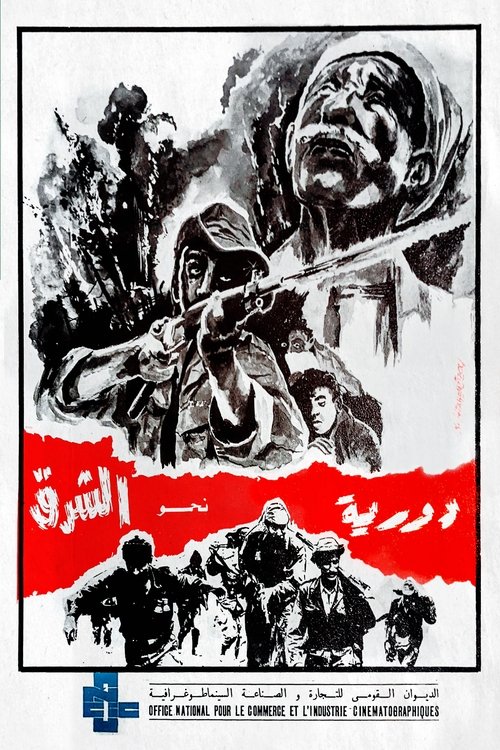
Patrol in the East
Sat, 02 Jan 1971
The film traces the story of a patrol of the Algerian National Liberation Army (ALN), whose mission is to transport a prisoner French soldier to the Tunisian border. Through the march of this group of guerrillas we witness the spirit of sacrifice and combativeness of these men from the people. The patrol will be decimated, but a young peasant will take over and complete the mission.
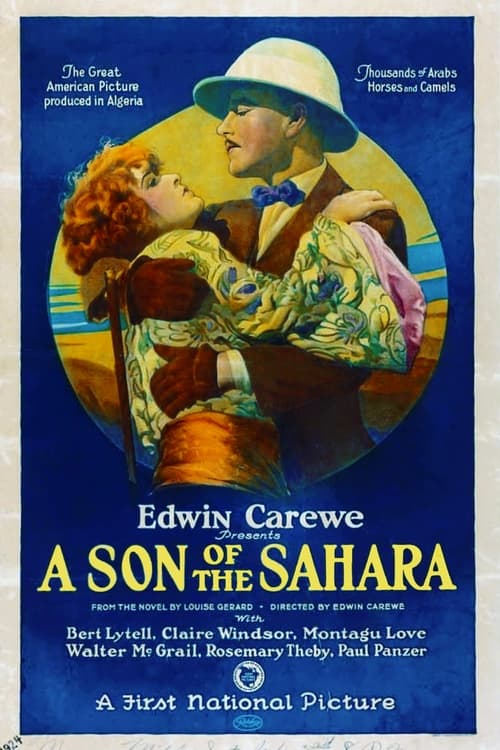
A Son of the Sahara
Sun, 13 Apr 1924
As a boy, Raoul is reared by an Arab tribe in Algerian Sahara. Years later, as a refined Europeanized gentleman, he falls in love with Barbara, an officer's daughter, who rejects him when she discovers his background. Affecting a raid, he captures her and then secretly buys her at a slave auction. When she is rescued by French troops, however, his ancestry is established and they find happiness together.
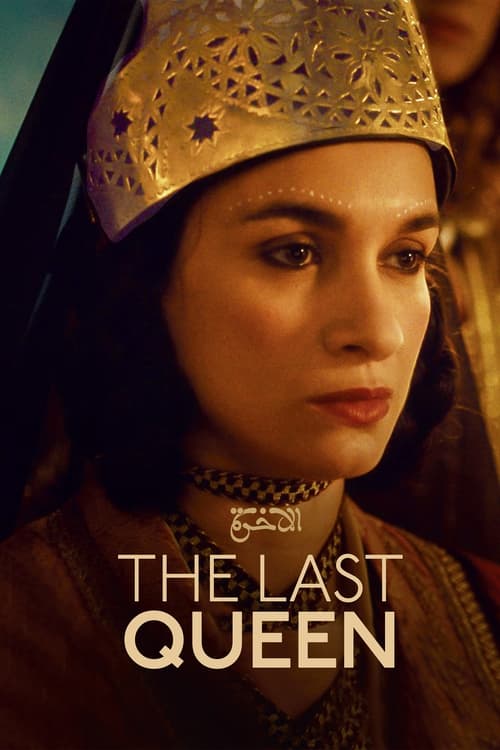
The Last Queen
Wed, 19 Apr 2023
1516, Legend has it that the king of Algiers had a wife named Zaphira. When the pirate Aroudj Barbarossa arrives to liberate the city from the Spaniards, he is determined to conquer Zaphira as well as the kingdom itself. But is Zaphira willing to let him, or is she plotting for herself?
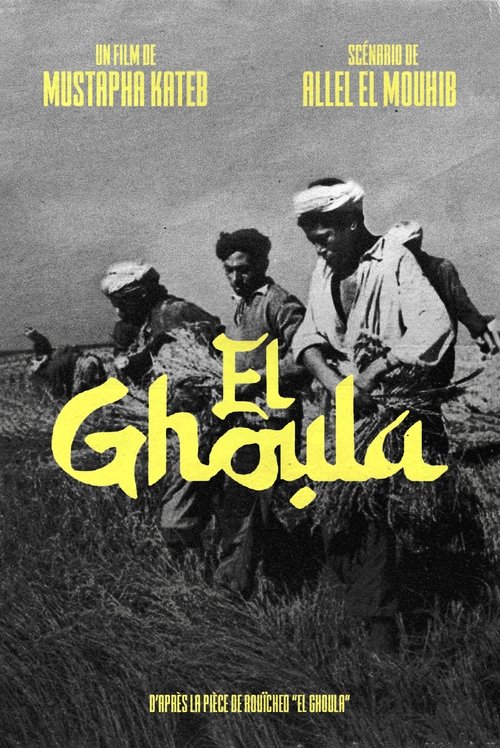
El Ghoula
Sun, 02 Jan 1972
An adaptation of the satirical play of the same name by comedian Rouïched (Ahmed Ayad). "El-Ghoula" (The Vampire) tells the story of a corrupt official who lives off the peasants of an agricultural cooperative. Instead of solving problems, this official manipulates empty rhetoric and "revolutionary" slogans to galvanize them and encourage them to continue working. Opportunistic, he will transform the fellahs' work into chaotic bureaucratic procedures for his own personal gain.
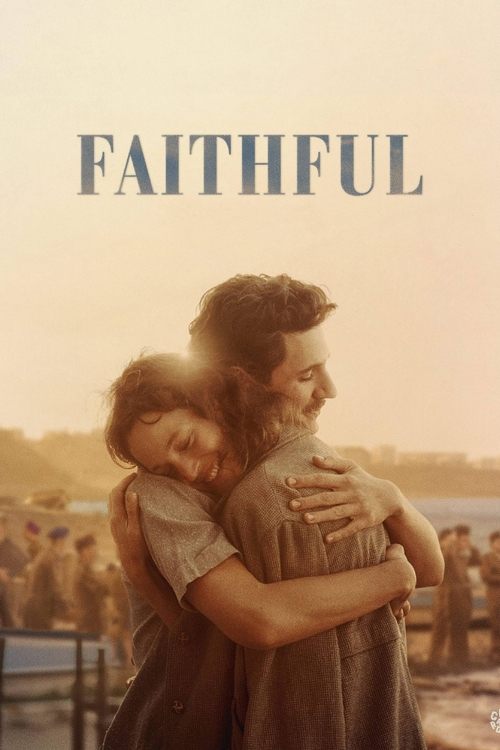
Faithful
Wed, 23 Mar 2022
1956. Algeria is a French colony. Fernand and Helene are madly in love. Fernand is an activist, fighting for independence alongside the Algerians. Helene is fighting for Fernand’s life. History will irrevocably change the course of their destiny.
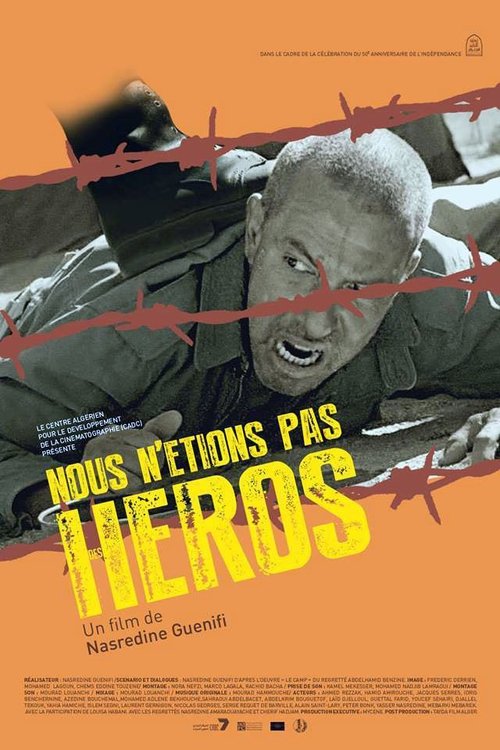
Nous n'étions pas des héros
Sun, 01 Jan 2017
The city of Lambèse is the scene of torture, both physical and moral, for the resistance fighters of the Algerian War. In the form of a fictional account adapted from the novel "Le camp" by Abdelhamid Benzine, the conditions in the special camps of the colonial army, where we accompany a group of detainees, in their daily life animated by violence are depicted. are former Nazi officers, whose mission is to abandon all resistance, and all ideological faith, through humiliation and drudgery.
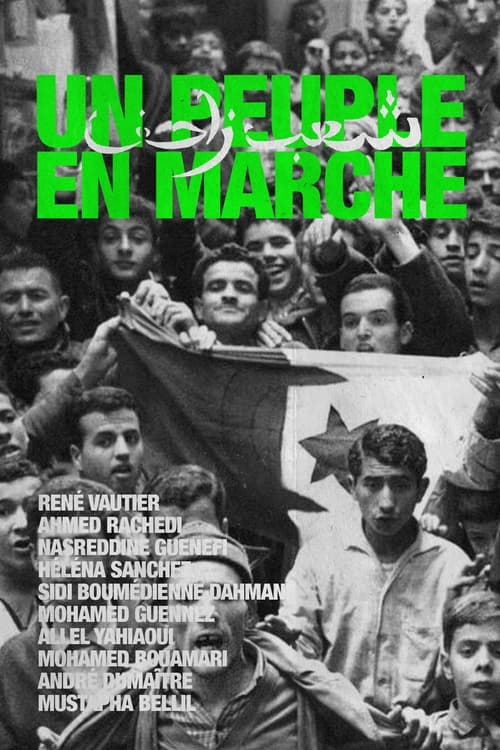
A People on the March
Wed, 02 Jan 1963
In 1962, René Vautier, together with some Algerian friends, organised the audio-visual formation centre Ben Aknoun to encourage a "dialogue in images" between the two factions. Together with his students he made a film that shows the history of the Algerian War and of the ALN (National Liberation Army), and life during the reconstruction.

The Cork
Tue, 01 Jan 1980
On his return to Algeria, Belkacem Hadjadj, a young graduate of INSAS in Brussels, joined Algerian television and signed "Le Bouchon", his first feature in the register of an Italian comedy, around the misadventures of a tenant experiencing a water leak.
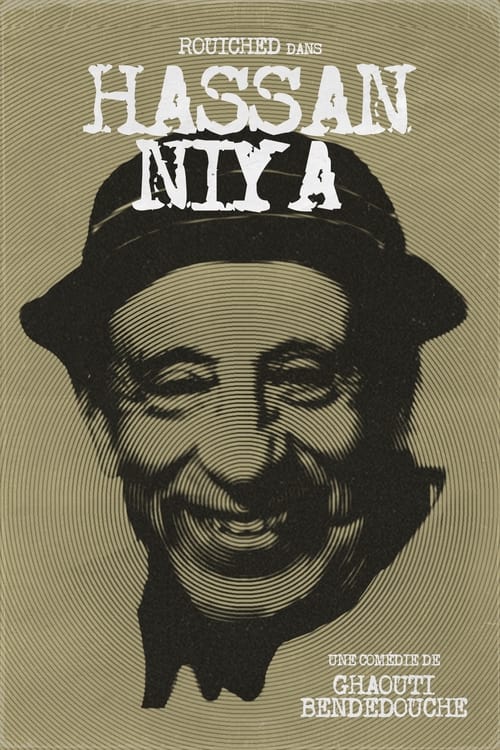
Hassan Niya
Mon, 02 Jan 1989
The story of Hassan, the handyman in the inn of his sister Aïcha, widowed and childless. A whole series of incidents, misunderstandings, will punctuate his daily routine in which we find him in turn driver, waiter, welder, etc. But, he refuses to submit to anything that does not conform to the idea he has of society and things...

The Garden of Allah
Wed, 14 Oct 1936
The star-crossed desert romance of a cloistered woman and a renegade monk.
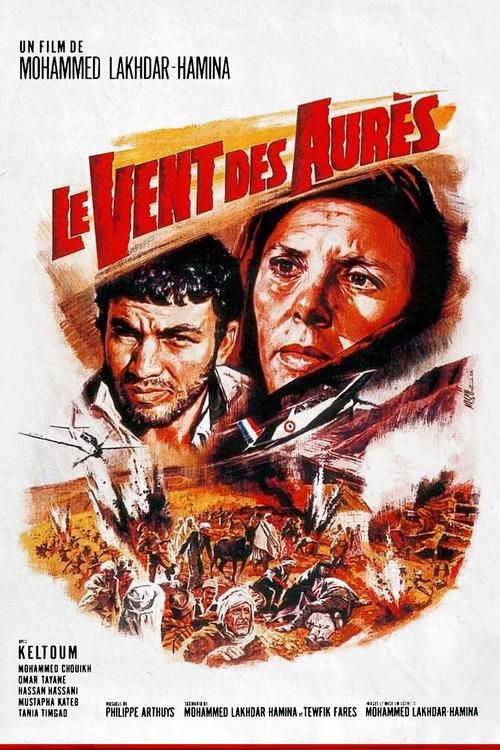
The Winds of the Aures
Thu, 08 Jun 1967
The transformations of the daily life of the Algerian people during the destructive French occupation, then during the war of liberation. While military repression is in full swing, a peasant woman finds herself alone in her mountain home when her only son is kidnapped by French soldiers shortly after her husband's death during a raid. One day, seeing a dead chicken, which she considers a bad omen, she decides to leave home and embarks on a painful journey through the mountains. Accompanied by a couple of chickens, she moves from one detention camp to another in a desperate search for her missing son. The film is inspired by the events experienced by the director's family.
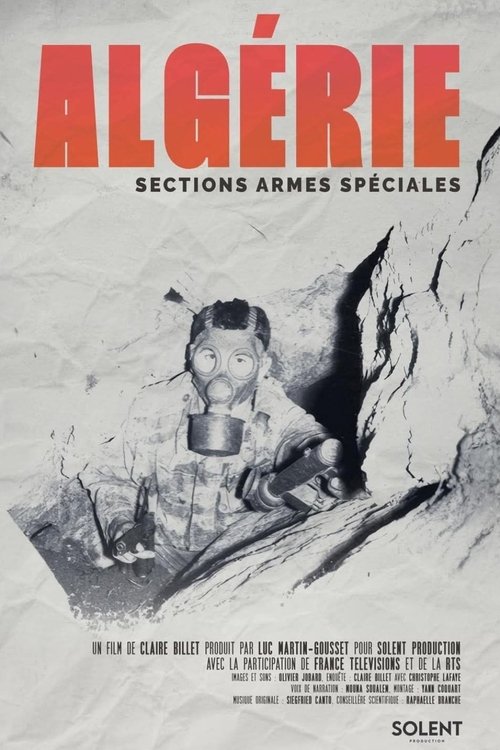
Algeria, Special Weapons Sections
Wed, 12 Mar 2025
This documentary by director Claire Billet and historian Christophe Lafaye details the massive and systematic use of chemical weapons during the Algerian War. Algerian fighters and civilians, sheltering in caves, were gassed by "special weapons sections" of the French army. The gas identified on military documents is CN2D, whose widespread use forced insurgents to flee "treated" sites, at the risk of dying there. The method is reminiscent of the "enfumades" used by the French expeditionary force during the conquest of Algeria in the 19th century. Between 8,000 and 10,000 such operations are believed to have taken place on Algerian soil between 1956 and 1962. This historical aspect is little known due to the difficulty of accessing archives, many of which are still classified, raising questions about memory, historical truth, and justice.
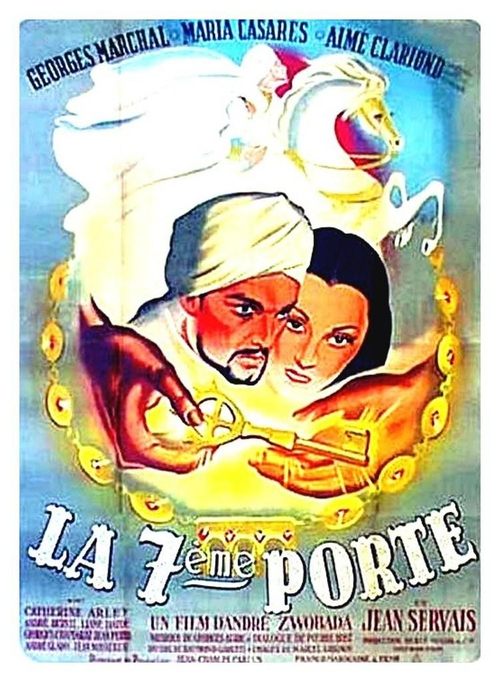
The Seventh Door
Sat, 27 Sep 1947
An old man about to die gives all his fortune to a young beggar he meets in an Arabian town. He takes him to his house (now the poor man's property) and he strongly advises him not to open one of the doors, the seventh door. "I could throw the key into the sea" says the young lad" No use, you'd dive to get it back". The young man is curious and he cannot resist temptation: he opens the forbidden door. A strange world is waiting for him where a girl, Leila, will be his guide .
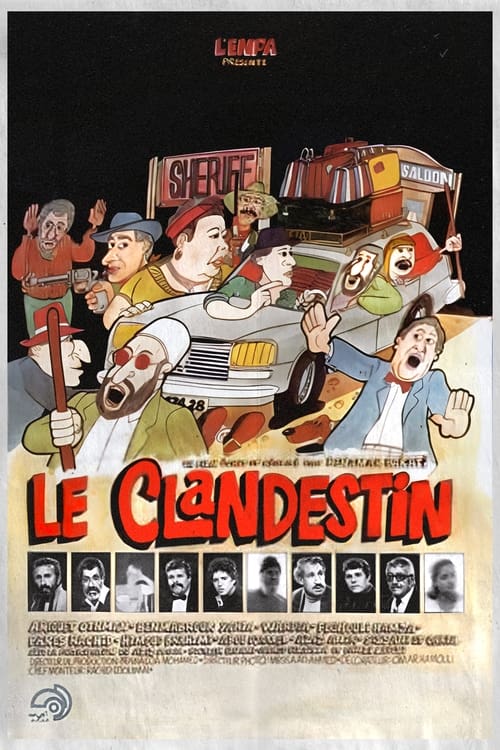
Le Clandestin
Sun, 01 Jan 1989
Nine people with Abdullah Le Clandestin (Illegal Taxi), in one car, on the way to Algiers.
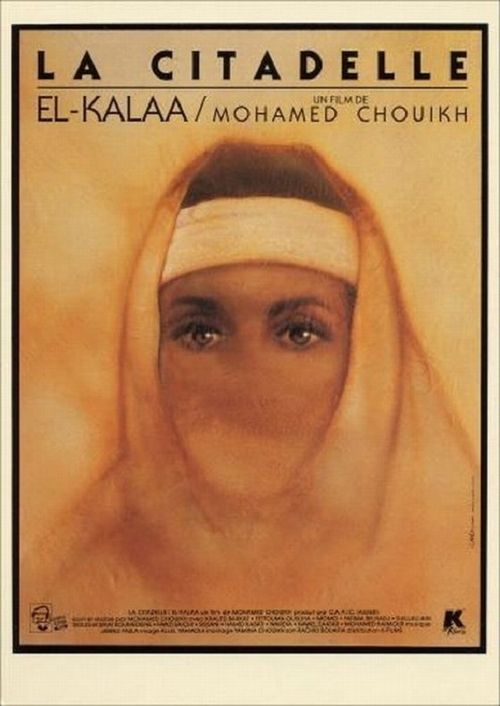
The Citadel
Sat, 02 Jan 1988
El Kalaa, a village in southern Oran. Although already married, old Sidi planned to marry another. He sets his sights on the beautiful Aïssa, with whom Kaddour, his adopted son, is in love. The old man decides to play a trick on Kaddour to teach him never to covet a woman that an elder wants to marry...
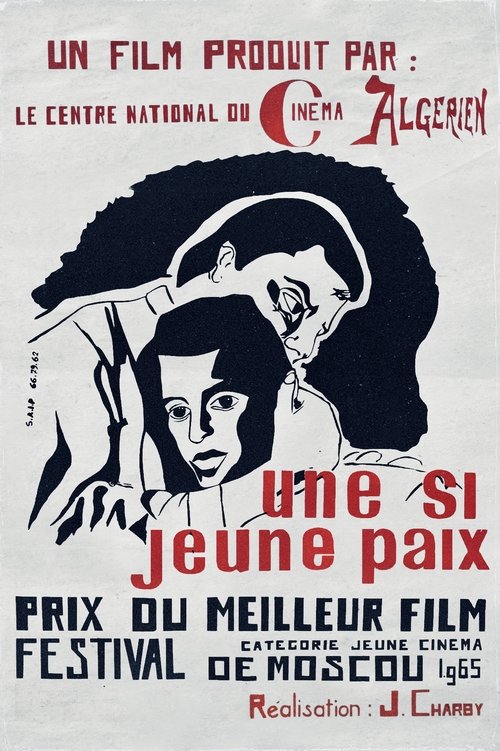
So Young a Peace
Sat, 02 Jan 1965
The first fictional feature film produced in Algeria after independence, this film addresses one of the most worrying problems: that of childhood. Children, freedom regained, do not yet know how to play “at peace”, they naturally play “at war”.
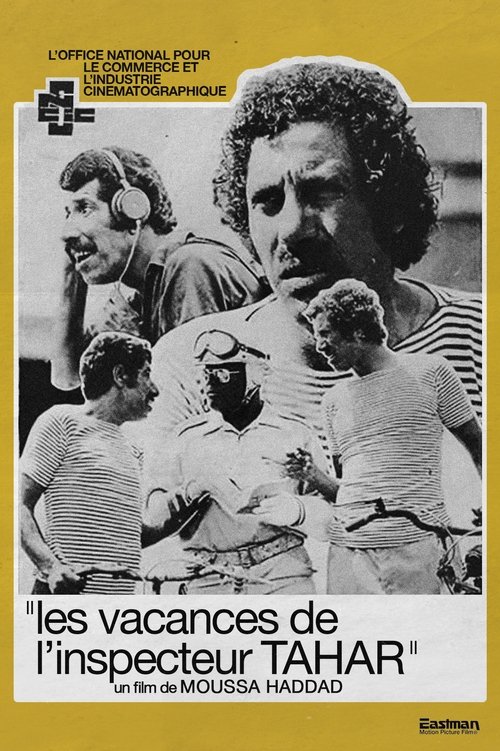
Inspector Tahar's Holiday
Sat, 01 Jan 1972
Inspector Tahar and his apprentice are invited by Mama Traki, a popular Tunisian heroine, to spend their vacation in Tunis. Before leaving Algiers, they stop at a tourist complex where a murder has just been committed. The investigation full of surprises and twists and turns will take them to Tunis where they will find Ommi Traki and his family...
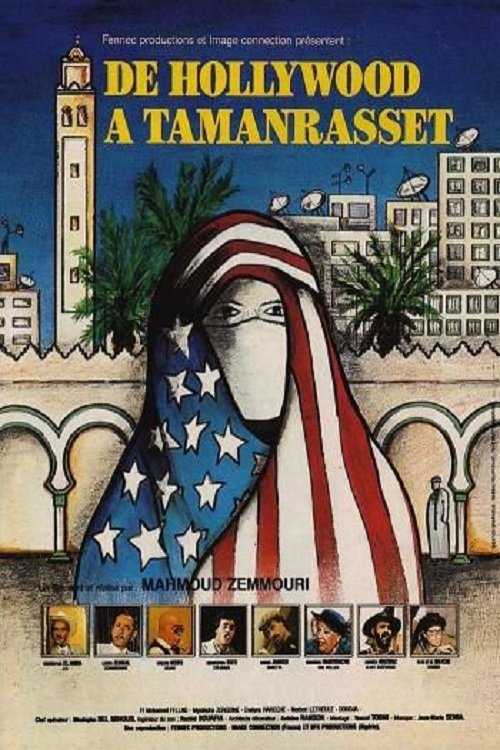
From Hollywood to Tamanrasset
Wed, 25 Jul 1990
On the outskirts of Algiers, Algeria. the arrival of the satellite dishes governs the lives of the inhabitants. Dissatisfied with their lives, they think of themselves as the heroes of American soap opera and movies, so JR, Sue Ellen, Rambo, Kojak, Spock and others take possession of bodies and minds, with many typical American culture elements. These heroes mix in a beautiful funny mess, with tradition and modernism, Islam and television, reality and fiction.
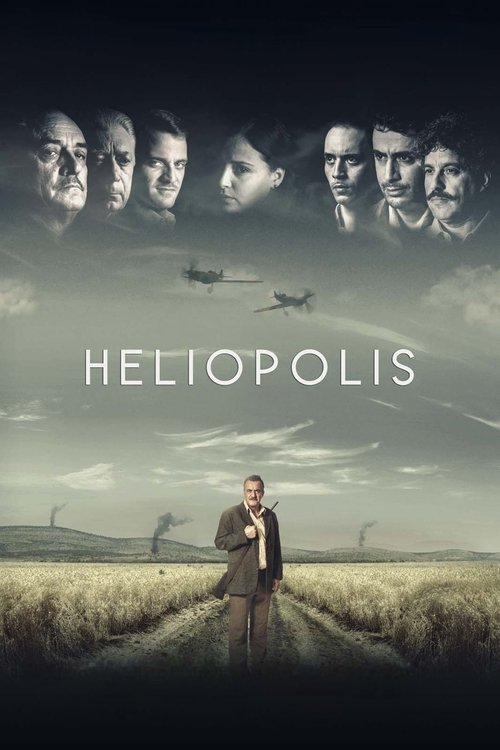
Heliopolis
Thu, 20 May 2021
In the city of Guelma, which was once called Heliopolis in ancient times, the daily life of an Algerian family takes its usual course. But on May 8, 1945, the day the end of World War II was announced, demonstrations by the Algerian people against the French colonial power and for the country's independence took place, which were bloodily suppressed by the French army and French settler militias. The event went down in history as the Sétif and Guelma massacre.
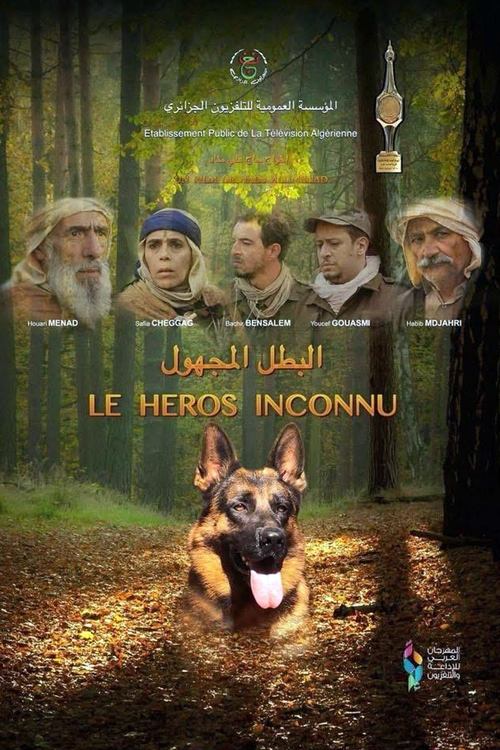
The Unknown Hero
Fri, 18 Mar 2016
In the midst of the Algerian war for independence, a group of fighters is trapped in the mountains, surrounded by the colonial army. Cut off from their allies, they have only one hope: to transmit a vital message to save their unit. But crossing enemy lines is a suicide mission. Their only chance lies with an unexpected messenger: a courageous dog named Messaoud. Carrying the letter attached to his collar, he embarks on a perilous crossing, braving the hostile nature and the dangers of war. But when he is captured by the enemy, his courage and instinct become his only weapons. Prisoner, hunted, he must risk everything to escape and accomplish his mission before it is too late. Sacrifice, bravery and hope mingle in this breathtaking odyssey where the humblest of heroes can change the course of history. The Unknown Hero, a moving film which won first prize at the Arab World Festival in 2017.