

ethnographic film
55 movies and shows
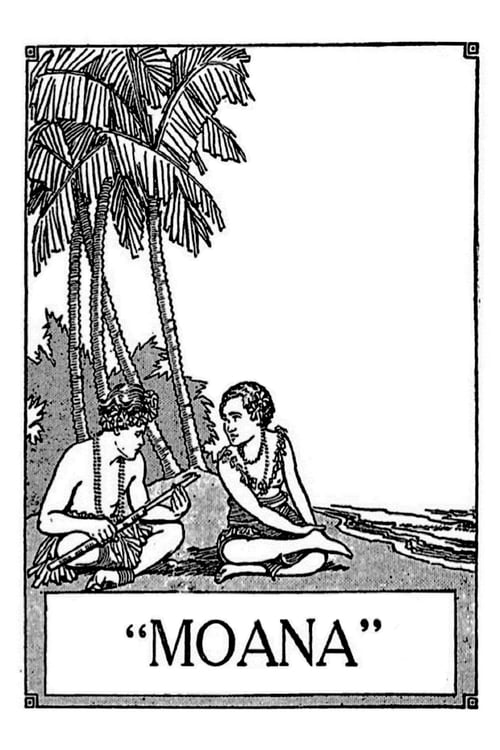
Moana
Thu, 07 Jan 1926
Robert J. Flaherty’s follow-up to Nanook of the North shifts from the Arctic to the South Seas, portraying Samoan village life with a painterly eye. Blending ethnographic detail with a romanticized “Gauguin idyll,” the film celebrates daily rituals, communal traditions, and the passage into adulthood, suffused with what Flaherty called “pride of beauty, pride of strength.”

Horizontes de piedra
Thu, 03 May 1956
In Cerro Bayo, a mountainous region of Patagonia on the Chilean border, a Kolla Indian falls in love with a girl from another village. His mother disapproves the relationship and hates the woman. When the girl becomes pregnant with his baby, he must travel to find better work, leaving her alone with the mother's wrath.
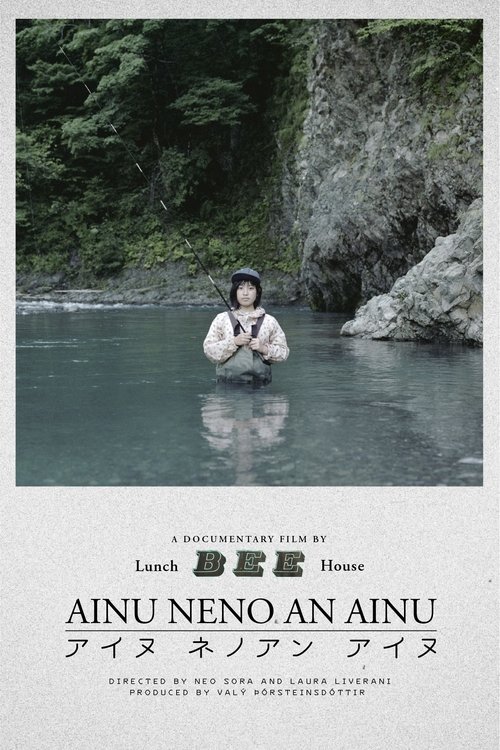
Ainu Neno An Ainu
Tue, 01 Jun 2021
This documentary started as part of a photography project about the indigenous Ainu population in northern Japan, portraying people from tightly knit communities. They feel deeply connected by their culture and tradition. With gorgeous pictures, the directors explore how different generations of Ainu reflect on their identity after centuries of oppression.
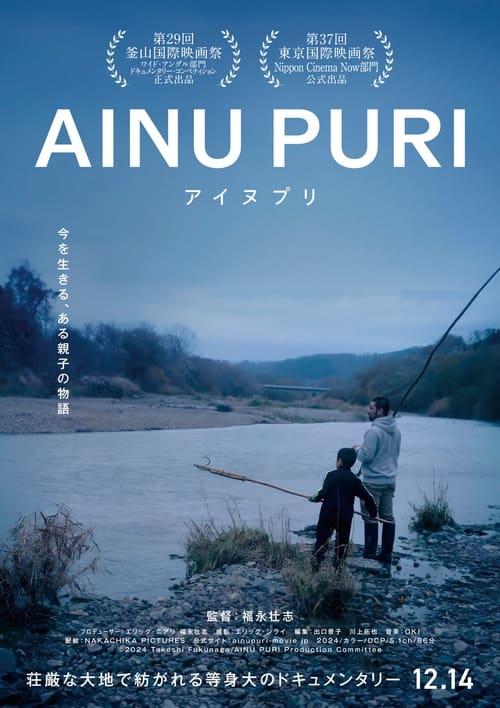
Ainu Puri
Sat, 14 Dec 2024
Shigeki, one of the Ainu people of northern Japan, follows the traditions of his ancestors and teaches his son Motoki about their heritage. But how can old customs be revived after centuries of suppression?
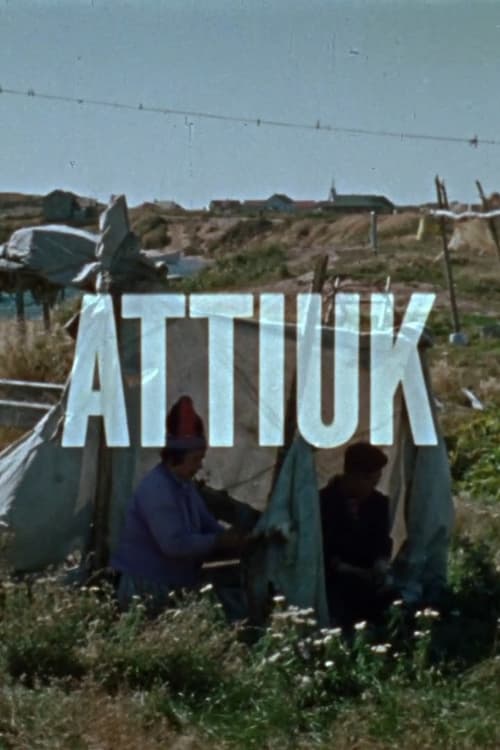
Attiuk
Fri, 19 Jul 1963
The people of Unamenshipu (La Romaine), an Innu community in the Côte-Nord region of Quebec, are seen but not heard in this richly detailed documentary about the rituals surrounding an Innu caribou hunt. Released in 1960, it’s one of 13 titles in Au Pays de Neufve-France, a series of poetic documentary shorts about life along the St. Lawrence River. Off-camera narration, written by Pierre Perrault, frames the Innu participants through an ethnographic lens. Co-directed by René Bonnière and Perrault, a founding figure of Quebec’s direct cinema movement.
Hampi
Mon, 07 May 1962
A ritual vase, the hampi, is placed in the center of the Musée de plein air de la République du Niger in Niamey, during a ritual ceremony featuring possession dances. With this film, Jean Rouch continues his ethnological and cinematographic study of Songhay ritual objects. He demonstrates that, in a particular context, the transfer of a hampi vase to a museum requires the organization of a ritual ceremony to obtain the gods' approval. At the time, however, reservations about filming a possession dance for the opening of a shrine in a museum made the move "questionable from a museological point of view".

The Bapst Brothers, Carriers
Fri, 01 Jan 1988
The Bapst Brothers: Romain, Maurice and Jacques – whom we will also meet in The Gruyere Chronicle (produced in 1990) – are peasants and carriers and work with their father. In autumn and winter, they bid for the community’s wood, cut down the pine trees and bring down the logs through the snowy woods by horse-drawn sleigh.
Las Hurdes, país de leyenda
Sun, 01 Jan 1922
An account of the journey that King Alfonso XIII of Spain made to the impoverished shire of Las Hurdes, in the province of Cáceres, in the region of Extremadura, in 1922.
A Wife Among Wives
Thu, 01 Jan 1981
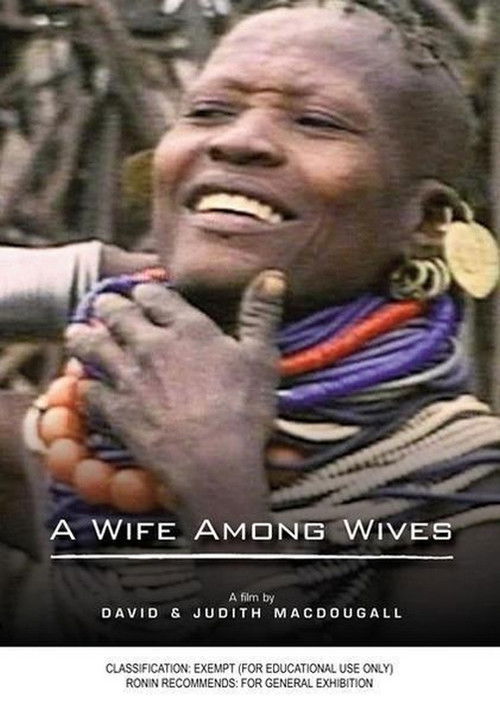
David and Judith MacDougall are exploring the marriage rituals and roles of Turkana women in this ethnographic documentary. The film's biggest part is taken up by talks between the Turkana people. As one of the first ethnographic documentaries "A Wife Among Wives" subtitles these talks so that the viewer can get a better and probably more personal understanding of the life of the Turkana.
Hommage à Marcel Mauss. Germaine Dieterlen
Sat, 01 Jan 1977
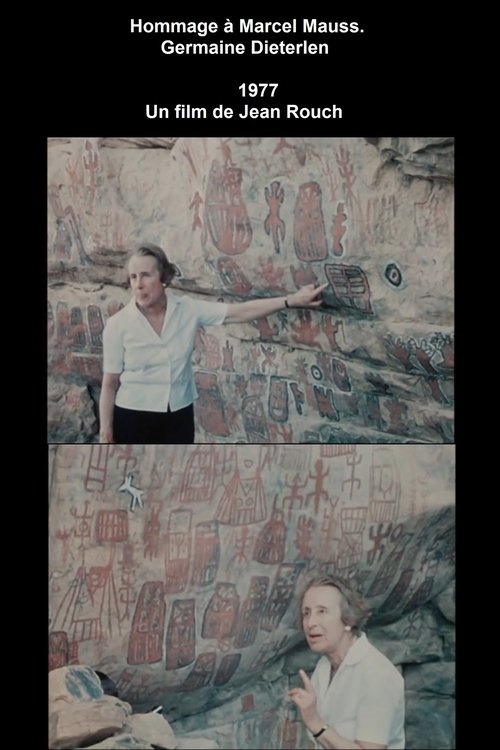
Germaine Dierterlen talks about Dogon mythology at a conference on the Bandiagara cliffs. The Songo canopy is a sacred site in Bandiagara. Its walls are covered with paintings depicting the different phases of creation. A little further on, in a cave near the village of Bongo, symposium participants are discussing the Tellem, the people who lived in the houses built into the cliffs before the arrival of the Dogon. The archaeological remains and migratory movements of these two peoples are discussed.
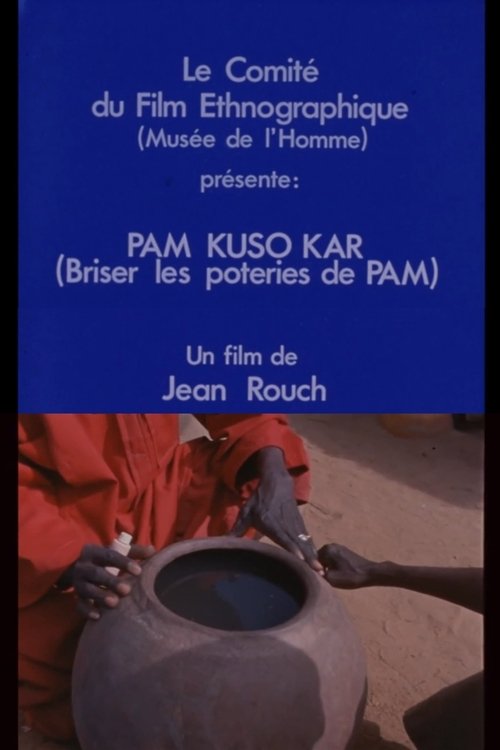
Pam Kuso Kar (Breaking Pam's Vases)
Tue, 01 Jan 1974
In February 1974, Pam Sambo Zima, the oldest of the priests of possession in Niamey, Niger, died at the age of seventy-plus years. In his backyard, the followers from the possession cult symbolically break the dead priest's ritual vases and cry for the deceased while dividing up the clothes of the divinities.
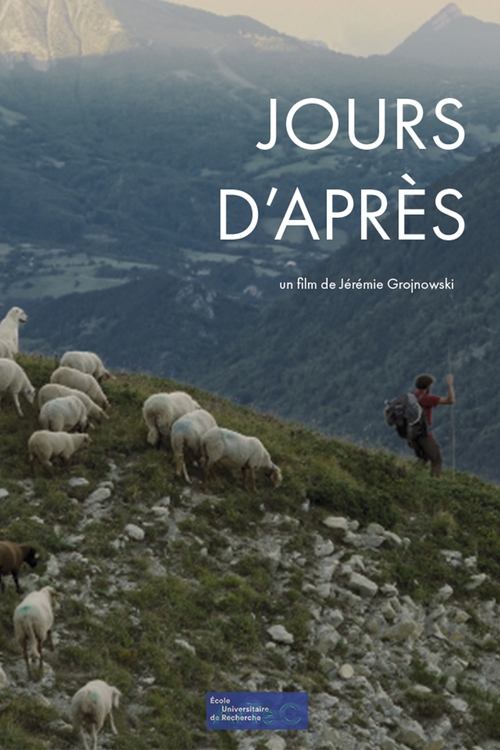
Days after
Wed, 01 Jan 2020
In Isère, in the mountainous region of Trièves, is the Tournesol farm, an experiential farm totally autonomous in energy, a veritable laboratory for renewable energies. Jean-Philippe and his family live there from sheep farming and organic market gardening. But in September 2017, a violent fire destroyed the farm and its facilities. While the family has lost everything, a surge of solidarity is taking place so that the Tournesol farm is reborn from its ashes.
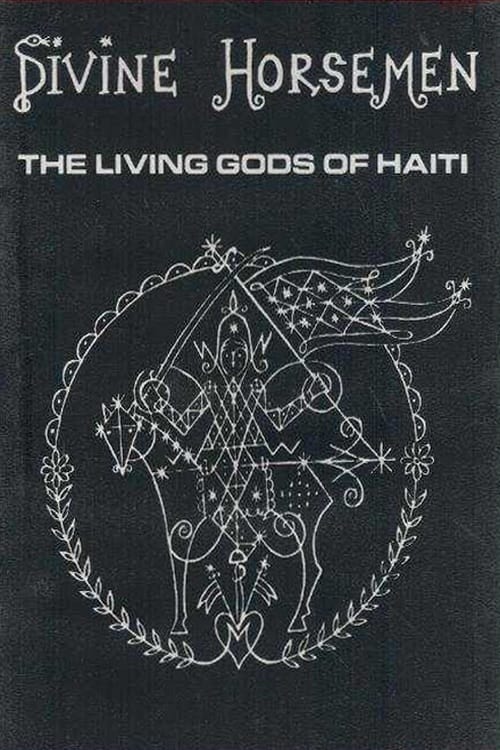
Divine Horsemen: The Living Gods of Haiti
Sat, 20 Mar 1993
This intimate ethnographic study of Voudoun dances and rituals was shot by Maya Deren during her years in Haiti (1947-1951); she never edited the footage, so this “finished” version was made by Teiji Ito and Cherel Ito after Deren’s death.
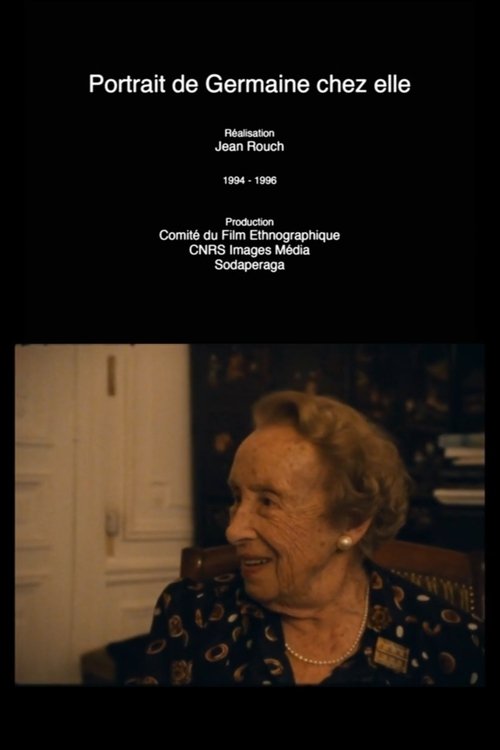
Germaine chez elle
Sat, 01 Jan 1994
In front of Jean Rouch's camera, Germaine Dieterlen recalls her ethnographic itinerary, at the Musée de l'Homme, in Mali and in the Paris of the 1930s.
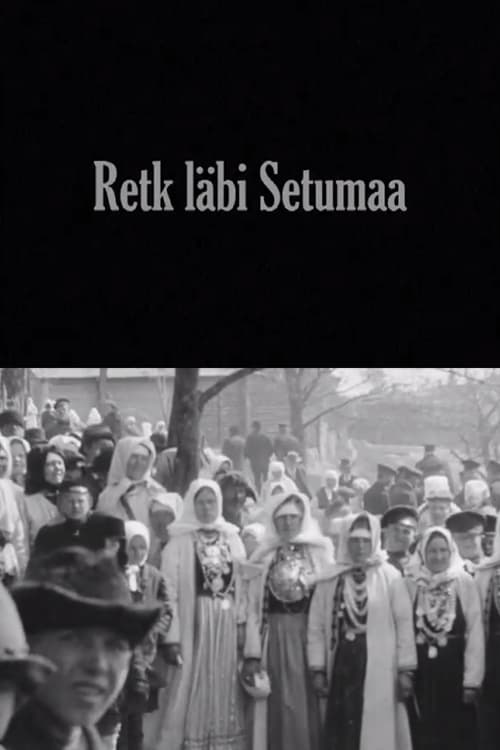
Journey Through Setomaa
Wed, 01 Jan 1913
Estonia's first ethnographic film. Made by Johannes Pääsuke in 1913 on his expedition to Setomaa, the South-Eastern region in Estonia.
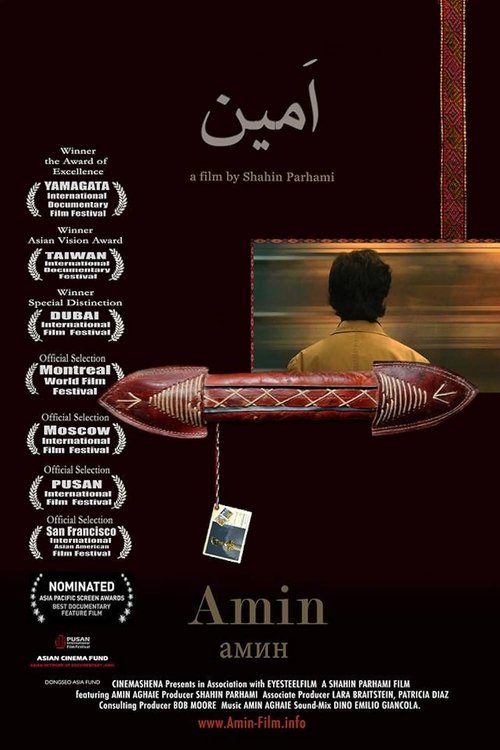
Amin
Sat, 23 Oct 2010
AMIN portrays Qashqai musician Amin Aghaie, a young modern nomad and his family who despite facing steep financial, cultural and political obstacles are dedicated to their art and culture. Amin travels to remote towns and villages to record the music of the surviving masters whose numbers decline each year. His nomadic family are selling their meager belongings to help support their son's education in performance and ethnomusicology at Tchaikovsky's Conservatory in Kyiv, Ukraine, but it is not enough. Amin, desperate to finish his academic education, sells his violins one at a time just to pay for his tuition.
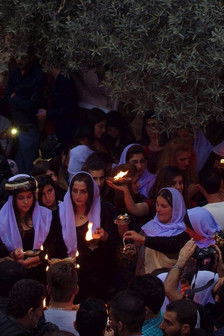
Following the Peacock
Tue, 01 Jan 2013
This anthropological documentary introduces the Yezidis, a little-known minority of Northern Iraq, and follows the tour of their most sacred object, the Standard of the Peacock through the settlements of Sinjar Mountain, where the traditional way of life and customs are undergoing a rapid change, due to the political, economic and social shifts of the last decades.
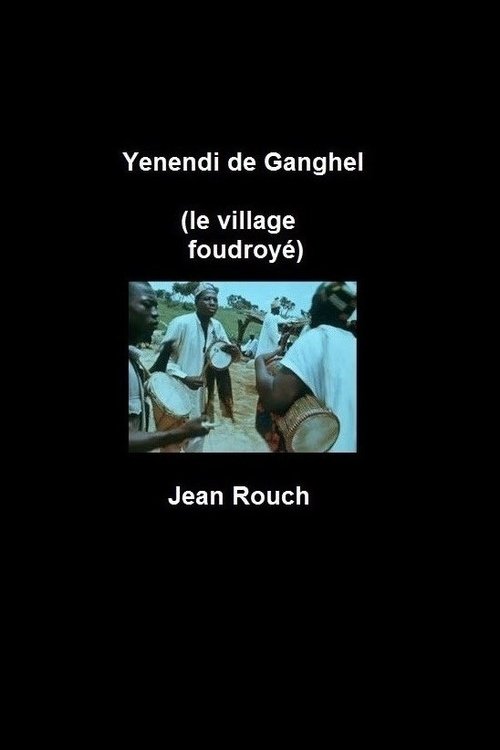
Yenendi de Ganghel (Rain Dance at Ganghel)
Mon, 01 Jan 1968
Lightning struck the hut of a Fulani shepherd near a village of settled fishermen, Ganghel, in Niger. A yenendi, a purification ceremony to obtain "water from the sky but not fire from the sky", is organized, with Sorko priests, ritual musicians and dancers, and the faithful from Niamey. The musicians call on Dongo, god of storms, and his brother Kirey, god of lightning. To the rhythm of the orchestra, a man goes into a trance, becoming Dongo's horse and at the same time the riding genie. Then a woman is possessed by Kirey. When the riding gods have mastered their horses, the gods visit the men. Dongo purifies the lightning-struck land and the oldest fisherman prepares the purification vessel, addressing Dongo.

The Nuer
Tue, 01 Dec 1970
Portrays the Nuer, Nilotic herdsmen of the Nile basin. Shows how their daily lives revolve about their cattle, and depicts the psychological bonds between them. Includes extensive use of Nuer music and poetry.
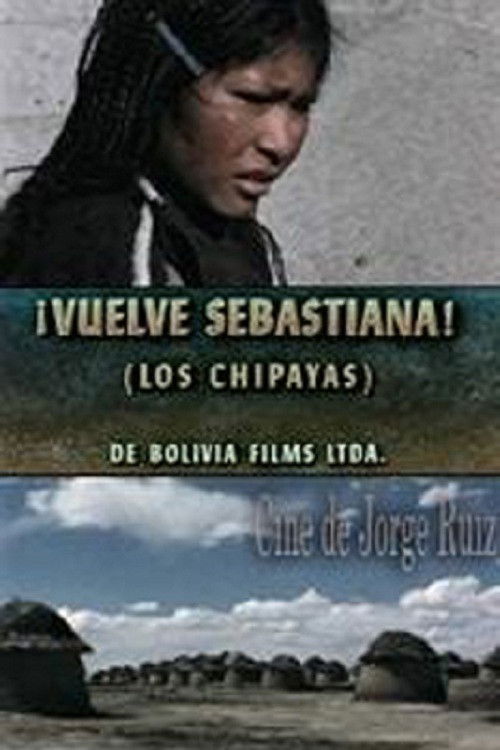
Come Back, Sebastiana
Thu, 01 Jan 1953
The story of a poor girl who leaves her starving family and sheep for a more prosperous village. Her grandfather finds her and tries to convince her to return to her home.