

indigenous rights
45 movies and shows

Taking Alcatraz
Sun, 01 Nov 2015
A documentary account by award-winning filmmaker John Ferry of the events that led up to the 1969 Native American occupation of Alcatraz Island as told by principal organizer, Adam Fortunate Eagle. The story unfolds through Fortunate Eagle's remembrances, archival newsreel footage and photographs.
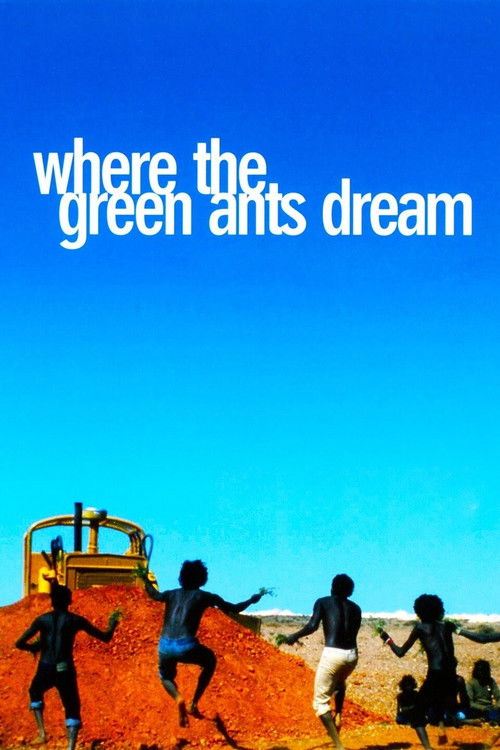
Where the Green Ants Dream
Fri, 31 Aug 1984
The Australian Aborigines (in this film anyway) believe that this is the place where the green ants go to dream, and that if their dreams are disturbed, it will bring down disaster on us all. The Aborigines' belief is not shared by a giant mining company, which wants to tear open the soil and search for uranium.
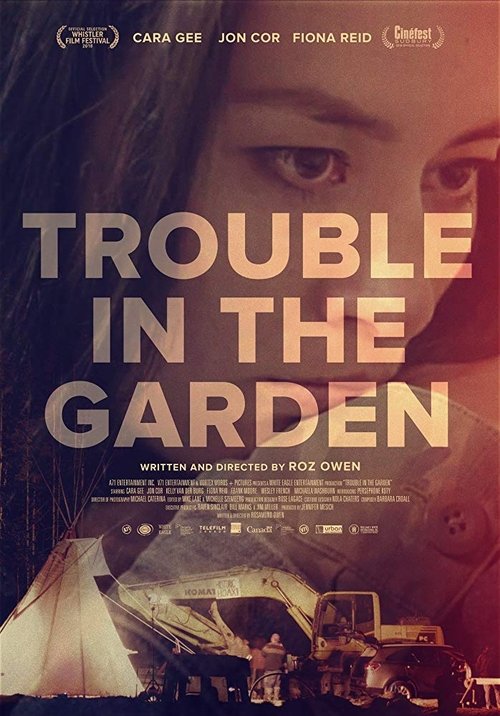
Trouble in the Garden
Fri, 15 Feb 2019
A jailed activist is bailed out by her brother, who happens to be involved with the very land development she was protesting.
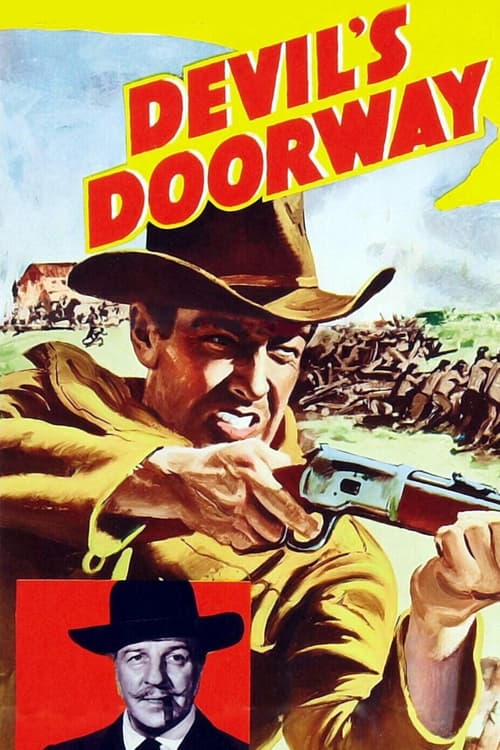
Devil's Doorway
Fri, 18 Aug 1950
A Native American Civil War hero returns home to fight for his people.
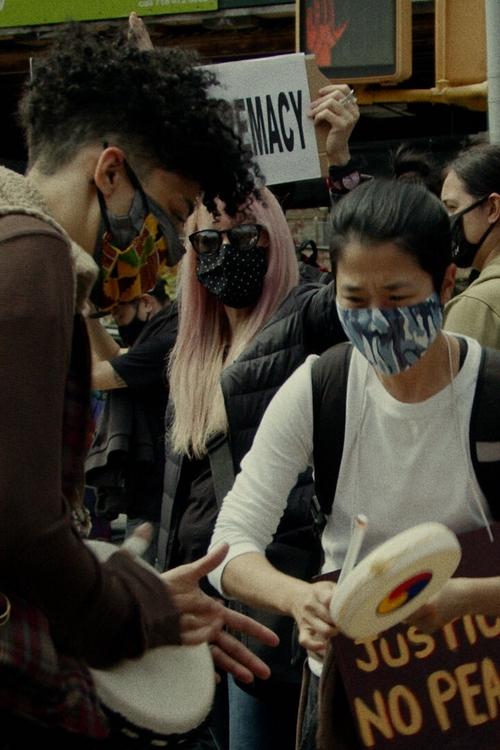
People Unite!
Sat, 05 Mar 2022
In the face of AAPI violence, an intergenerational coalition of Black, Indigenous, Latinx, Asian, People of Color organizers come together to organize a march across historic Washington Heights and Harlem, as a continuation of the historic and radical Black and Asian solidarity tradition.
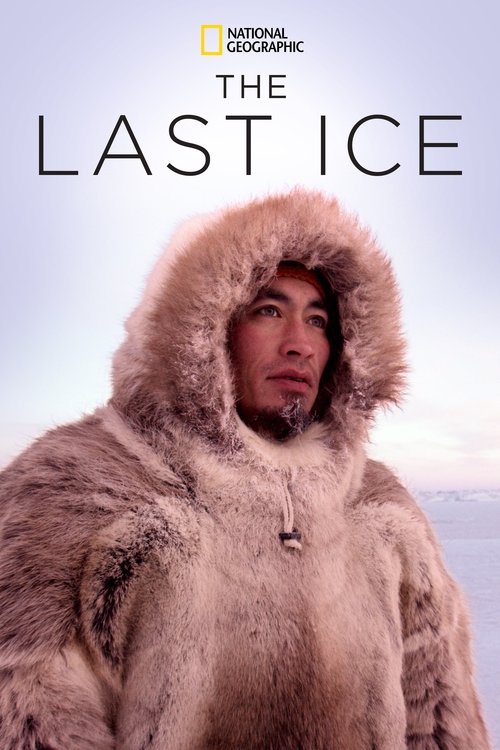
The Last Ice
Sat, 24 Oct 2020
For centuries, Inuit in the Arctic have lived on and around the frozen ocean. Now, as climate change is rapidly melting the sea ice between Canada and Greenland, the outside world sees unprecedented opportunity. Oil and gas deposits, faster shipping routes, tourism, and fishing all provide financial incentive to exploit the newly opened waters. But for more than 100,000 Inuit, an entire way of life is at stake. Development here threatens to upset the delicate balance between their communities, land, and wildlife. Divided by aggressive colonization and decades of hardship, Inuit in Canada and Greenland are once again coming together, fighting to protect what will remain of their world. The question is, will the world listen?

No Turning Back
Mon, 01 Jan 1996
This film follows the aftermath of the Oka crisis, which brought Indigenous rights into sharp focus. After the barricades came down, the Royal Commission on Aboriginal Peoples was created, and travelled to more than 100 communities and heard from more than 1,000 representatives. For two-and-a-half years, teams of Indigenous filmmakers followed the Commission on its journey.
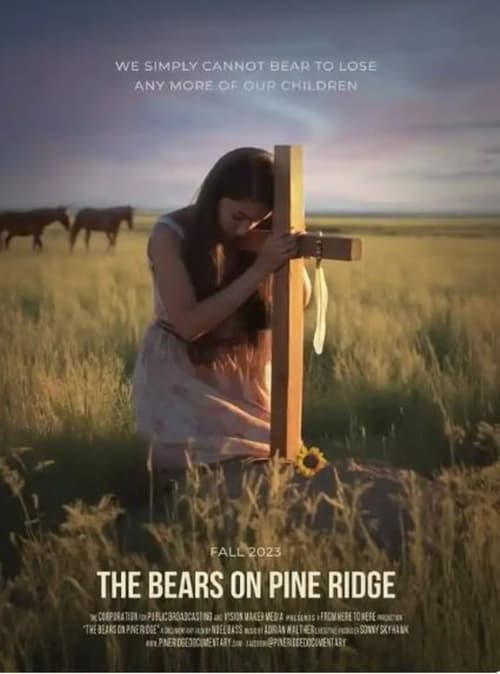
The Bears on Pine Ridge
Fri, 18 Nov 2022
The Pine Ridge Indian Reservation has declared a “State of Emergency”, after an outbreak of youth suicides has devastated the community. Due to a lack of Federal assistance, residents have taken prevention efforts into their own hands. A tenacious Oglala Lakota elder takes charge, rallying the community to get involved, while empowering a resilient young group of suicide survivors to band together to help raise awareness.
Powwow at Duck Lake
Sat, 01 Jul 1967
This powerful short documentary showing Indigenous youth resistance and emerging voices that will continue to define the landscape of Indigenous cultural and political activism for the next generation. Members of the National Youth Council, including Duke Redbird and Harold Cardinal, have a powerful exchange with a hostile white priest about the failures of the education system in relation to Indigenous people. The group tackles issues including segregated residential schools, the denial of citizenship rights, loss of language, and mass incarceration, many of which persist or continue to be stumbling blocks in the relationship between Indigenous people and the Government of Canada today.

BETWEEN
Invalid Date
Initially embarking on an unplanned personal filmmaking project, Ilias Boukhemoucha finds himself drawn to the overlooked corners and marginalized communities within Canadian cities.
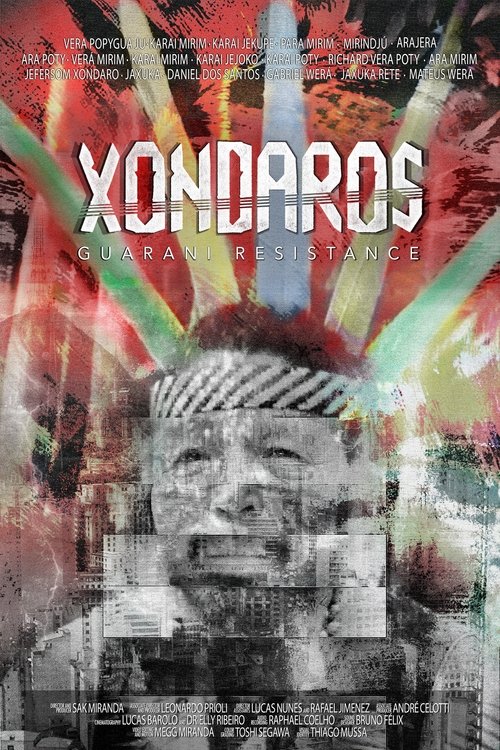
Xondaros - Guarani Resistance
Thu, 08 Jun 2023
The 6 Guarani villages of Jaraguá, in São Paulo, fight for land rights, for human rights and for the preservation of nature. They suffer from the proximity to the city, which brings lack of resources, pollution of rivers and springs, racism, police violence, fires, lack of infrastructure and sanitation, among others. Unable to live like their ancestors, their millenary culture is lost as it merges with the urban culture.
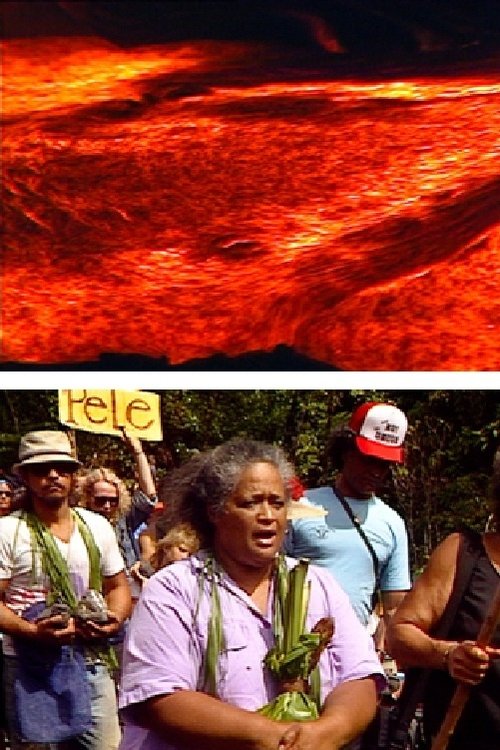
Pele's Appeal
Sun, 01 Jan 1989
In the swirling volcanic steam and misty rain forest of Kilauea volcano’s east rift zone on the island of Hawai’i, two forces meet head on. Geothermal development interests, seeking to clear the rain forest for drilling operations, are opposed by native Hawaiians seeking to stop the desecration of the fire goddess, Pele. Pele is a living deity fundamental to Hawaiian spiritual belief. She is the eruption, with its heat, lava and steam. Her family takes the form of forest plants, animals and other natural forces. But geothermal development interests see Pele as simply a source of electricity. When Hawaiians take the issue to court, they find that nature-based religions are not respected by U.S. law.
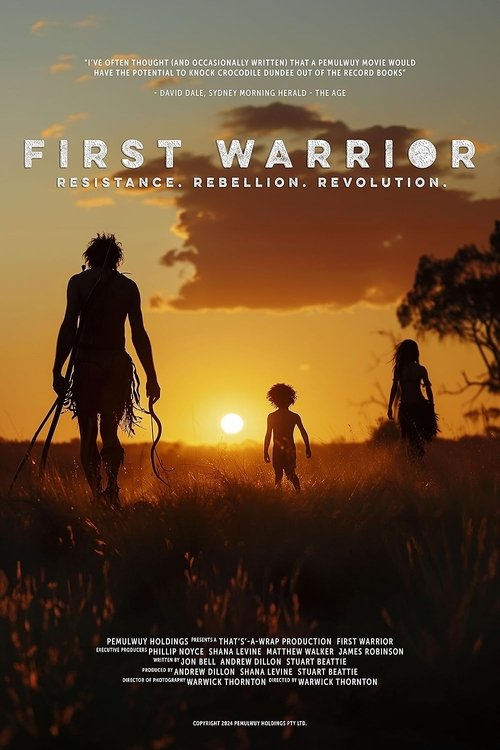
First Warrior
Invalid Date
Australia was colonized in the late 1700s. Pemulwuy, a man of the Bidjigal tribes — from the region that is today modern-day Sydney — led a 12-year resistance against British settlers moving into his people’s traditional lands.
Potlatch...a strict law bids us dance
Wed, 01 Jan 1975
Presents the history of the conflict between the Canadian government and the Kwakiutl Indians of the Northwest Pacific over the ritual of the Potlatch. Archival photographs and films, wax roll sound recordings, police reports, the original potlatch files, and correspondence of agents form the basis of the reconstruction of period events, while the film centres on a Potlatch given today by the Cranmer family of Alert Bay.
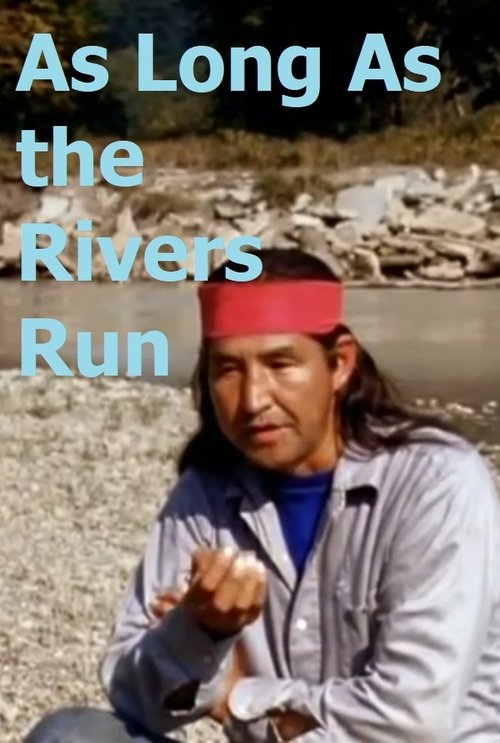
As Long as the Rivers Run
Fri, 01 Jan 1971
Examines the violence and civil disobedience leading up to the hallmark decision in U.S. v. Washington, with particular reference to the Nisqually Indians of Frank's Landing in Washington.
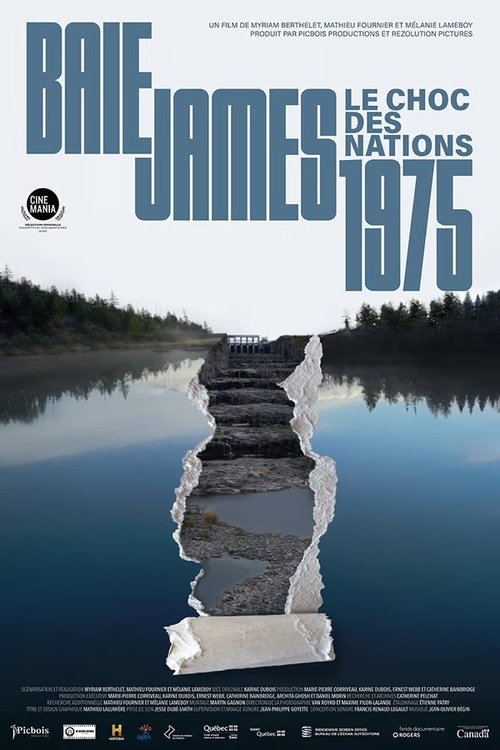
James Bay 1975: The Shock of Two Nations
Fri, 14 Nov 2025
A dive into the origins of two revolutions: the rapid expansion of Hydro-Québec with the construction of the La Grande hydroelectric power plant, a project championed by Premier Robert Bourassa, and the awakening of Indigenous nations. A clash of civilizations where two worldviews collide. Quebec, buoyed by the momentum of the Quiet Revolution, takes control of its destiny. Meanwhile, in the North, young Inuit and Cree rise up for the first time to protect what is most precious to them: their land and their culture. At the heart of the conflict is the James Bay construction site, the largest of its kind in North America.
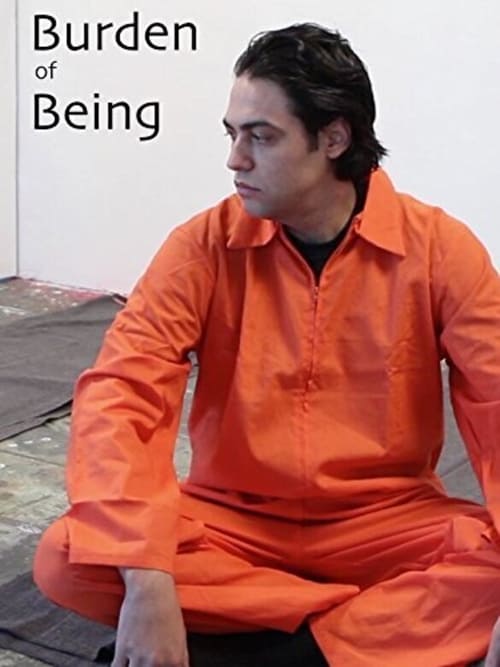
The Burden of Being
Tue, 18 Nov 2014
In the year 2061, where only one utilitarian race -- known as 'The Nation' -- is recognized, a Native American man is imprisoned for speaking his ancient tribal language.
Our Land Is Our Life
Thu, 24 Jan 1974
In March, 1974, the Cree of the Mistassini area in northern Québec met to discuss their long-term future. After three hundred years of minimal contact with the white man, they had been offered 'compensation' by the government of Québec for the effects of the James Bay power project. But they decided that nothing, neither jobs nor money, meant more to them than their land. The film presents the issues under these headings: The Conflict, The Hunting Culture, The Schools, The Villages, The Fight for the Land.
The turning point - the environmental stuggle that became indigenous affairs
Tue, 29 Nov 2011
Personal accounts from the Alta actions in the years 1979 to 1981. Large police forces were deployed against the demonstrators. The dispute over the Alta river began as an environmental issue, but became a major turning point for the Sámi people's struggle for equal rights in Norway.
The Land is the Culture: A Case for BC Indian Land Claims
Wed, 01 Jan 1975
"A documentary film which looks at the issue of British Columbia Native land claims and how the aboriginals link their culture to the land, which has been stolen by the dominant white culture of North America. In the film, the argument is presented that the lands have been taken from the Natives without any clear treaty agreements and how attempts had been made to wipe out Native culture through the Residential School system. " Produced by the Union of BC Indian Chiefs in 1975.