

djazair
166 movies and shows
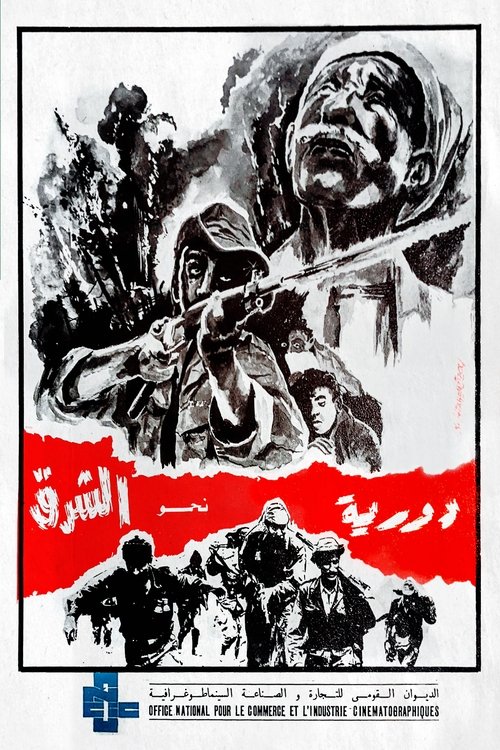
Patrol in the East
Sat, 02 Jan 1971
The film traces the story of a patrol of the Algerian National Liberation Army (ALN), whose mission is to transport a prisoner French soldier to the Tunisian border. Through the march of this group of guerrillas we witness the spirit of sacrifice and combativeness of these men from the people. The patrol will be decimated, but a young peasant will take over and complete the mission.
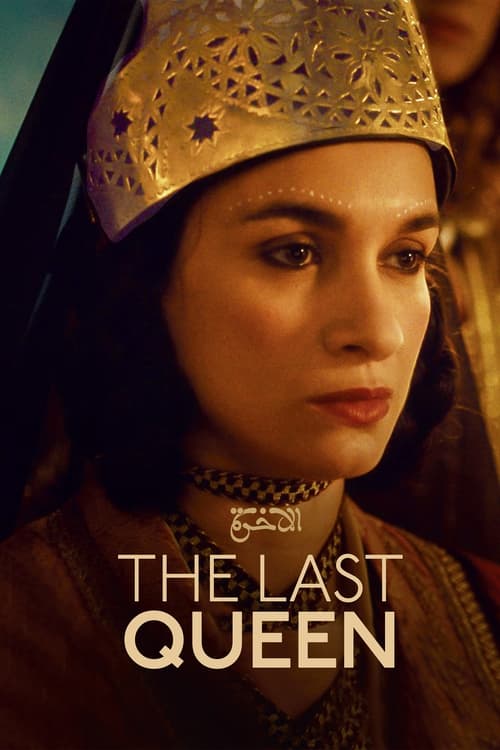
The Last Queen
Wed, 19 Apr 2023
1516, Legend has it that the king of Algiers had a wife named Zaphira. When the pirate Aroudj Barbarossa arrives to liberate the city from the Spaniards, he is determined to conquer Zaphira as well as the kingdom itself. But is Zaphira willing to let him, or is she plotting for herself?
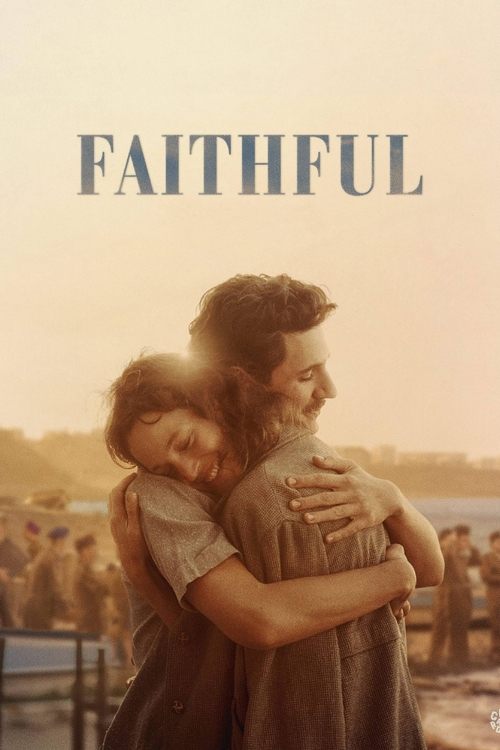
Faithful
Wed, 23 Mar 2022
1956. Algeria is a French colony. Fernand and Helene are madly in love. Fernand is an activist, fighting for independence alongside the Algerians. Helene is fighting for Fernand’s life. History will irrevocably change the course of their destiny.
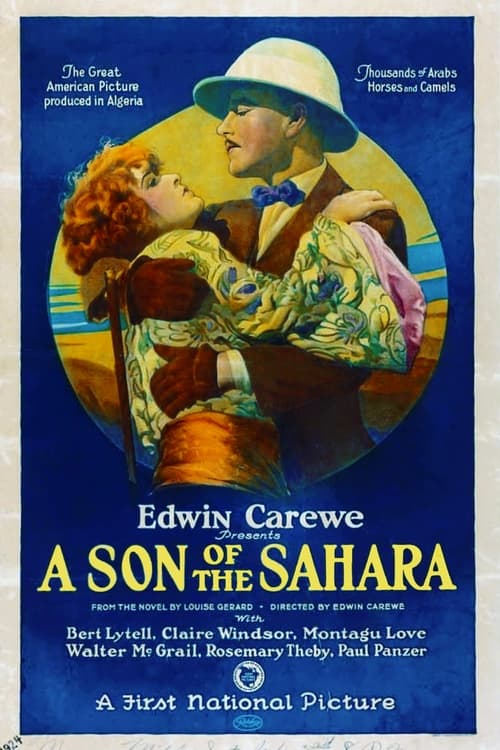
A Son of the Sahara
Sun, 13 Apr 1924
As a boy, Raoul is reared by an Arab tribe in Algerian Sahara. Years later, as a refined Europeanized gentleman, he falls in love with Barbara, an officer's daughter, who rejects him when she discovers his background. Affecting a raid, he captures her and then secretly buys her at a slave auction. When she is rescued by French troops, however, his ancestry is established and they find happiness together.
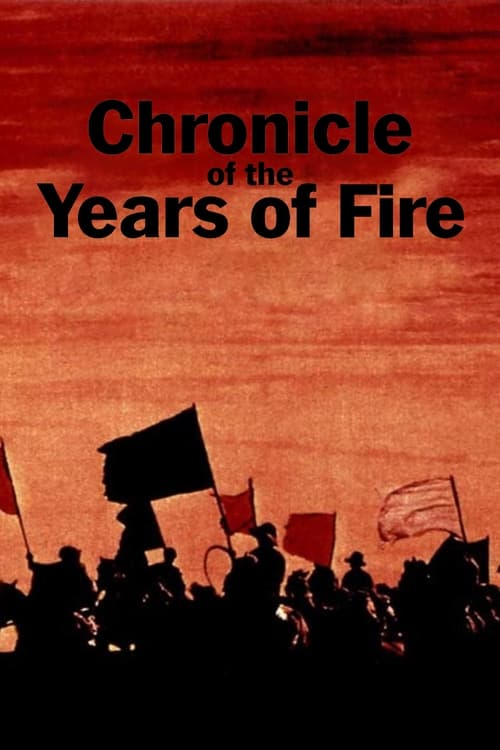
Chronicle of the Years of Fire
Wed, 26 Nov 1975
A meticulous chronicle of the evolution of the Algerian national movement from 1939 until the outbreak of the revolution on November 1, 1954, the film unequivocally demonstrates that the "Algerian War" is not an accident of history, but a slow process of suffering and warlike revolts, uninterrupted, from the start of colonization in 1830, until this "Red All Saints' Day" of November 1, 1954. At its center, Ahmed gradually awakens to political awareness against colonization, under the gaze of his son, a symbol of the new Algeria, and that of Miloud, half-mad haranguer, half-prophet, incarnation of Popular memory of the revolt, the liberation of Algeria and its people.
A Propos D'Un Crime
Sun, 01 Jan 1967
In 1967, Visconti came to Algiers for the filming of The Stranger with Mastroianni and Anna Karina. Camus, during his lifetime, had always refused to allow one of his novels to be brought to the screen. His family made another decision. The filming of the film was experienced in Algiers, like a posthumous return of the writer to Algiers. During filming, a young filmmaker specializing in documentaries Gérard Patris attempts a report on the impact of the filming of The Stranger on the Algerians. Interspersed with sequences from the shooting of Visconti's film, he films Poncet, Maisonseul, Bénisti and Sénac, friends of Camus, in full discussions to situate Camus and his work in a sociological and historical context. “The idea is for us to show people, others, ourselves as if they could all be Meursault, or at least the witnesses concerned to his drama.”
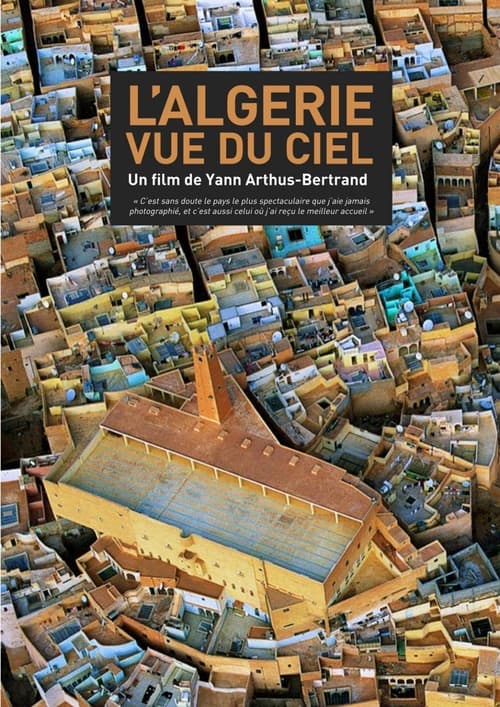
Algeria from Above
Tue, 16 Jun 2015
Algeria from above is the first documentary made entirely from the sky on Algeria. Through the eye of the famous Yann Arthus-Bertrand this documentary vividly depicts this great country, and its vibrant cultural and natural treasures. From North to South and from West to East, it shows us the entirety of Algeria, lives in the large hectic coastal cities, Atlas mountains, oases of the Sahara or gentle hills of the Sahel. With a rich past that seems to have crossed all civilizations, and a territory where all natural environments amalgamate, Algeria appears here in all its diversity and its unity.
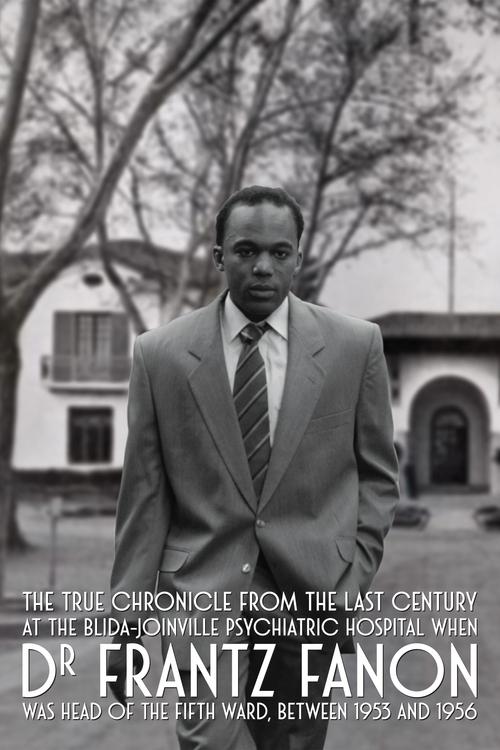
True Chronicles of the Blida Joinville Psychiatric Hospital in the Last Century, when Dr Frantz Fanon Was Head of the Fifth Ward between 1953 and 1956
Wed, 23 Jul 2025
1953, colonized Algeria. Fanon, a young black psychiatrist is appointed head doctor at the Blida-Joinville Hospital. He was putting his theories of ‘Institutional Psychotherapy’ into practice in opposition to the racist theories of the Algies School of Psychiatry, while a war broke out in his own wards.
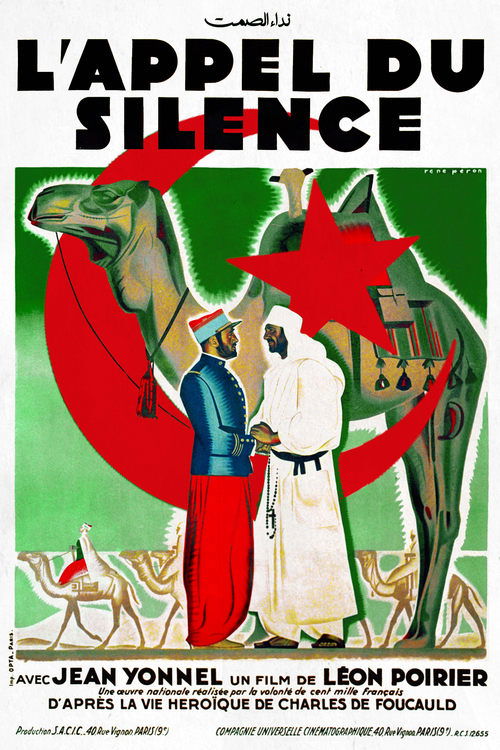
The Call
Fri, 01 May 1936
The story of Charles de Foucauld, born September 15, 1858 in Strasbourg (France) and died December 1, 1916 in Tamanrasset in Algeria during the French colonial period, was a cavalry officer of the French army who became an explorer and geographer, then Catholic religious, priest, linguist and hermit in the Hoggar desert in Algeria.
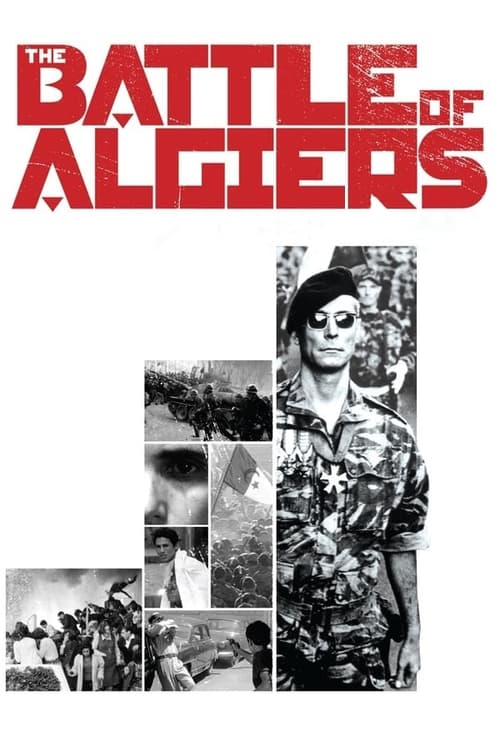
The Battle of Algiers
Thu, 08 Sep 1966
Paratrooper commander Colonel Mathieu, a former French Resistance fighter during World War II, is sent to Algeria to reinforce efforts to squelch the uprisings of the Algerian War. There he faces Ali la Pointe, a former petty criminal who, as the leader of the Algerian Front de Liberation Nationale, directs terror strategies against the colonial French government occupation. As each side resorts to ever-increasing brutality, no violent act is too unthinkable.

Southern Cross
Fri, 13 May 1932
In the Sahara, Algeria, the leader of the Tuaregs, Aftan, saves a girl from the hands of a caravan of pillars. Madeleine falls in love with her savior and their marriage is decided. But Aftan understands that he will never be assimilated with Europeans, and he goes back to find the beautiful poet Dassine whom he had loved before.
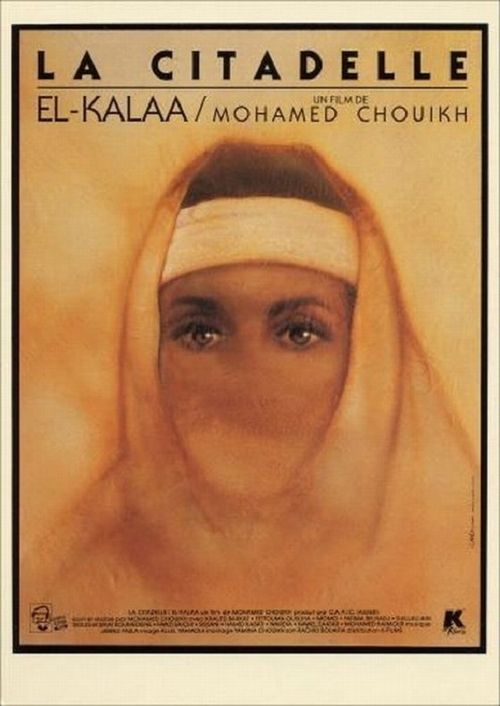
The Citadel
Sat, 02 Jan 1988
El Kalaa, a village in southern Oran. Although already married, old Sidi planned to marry another. He sets his sights on the beautiful Aïssa, with whom Kaddour, his adopted son, is in love. The old man decides to play a trick on Kaddour to teach him never to covet a woman that an elder wants to marry...

Chronicles of my Village
Sat, 30 Jul 2016
In 1960, nine-year-old Bachir dreamed of becoming the son of a martyr because he had heard that the children of martyrs would obtain everything after independence. He sets up a whole plan to get rid of a certain François, enemy of his country, while his father, Saddek, abandoned him with his mother and brothers. Through this fiction, the film looks at the life and visions of little Algerians during the War of National Liberation. Karim Traïdia looks back on his own childhood during the Algerian war (1945-1962). On a humorous note, it tells the adventures of a young child and his innocent friends against the backdrop of a raging merciless war.
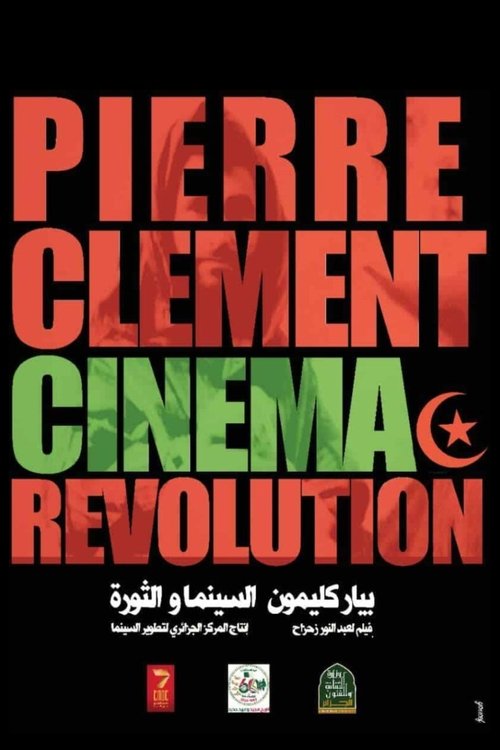
Pierre Clément, Cinéma et Révolution
Sat, 14 Oct 2023
Pierre Clément, student and photographer of René Vauthier, first accompanied him to Tunisia to make a film on the country's independence in 1957. Destiny led him to Algeria and his presence in February 1958 at the Tunisian-Algerian border changed his life. . Forever. He took his camera and photographed the attacks on Sakia Sidi Youssef before committing himself body and soul to the Algerian cause. Shortly after, he directed the film “Algerian Refugees” before being arrested, tortured and imprisoned, while his third film, “The National Liberation Army in Almaki”, was not finished. Abdel Nour Zahzah, a director who commemorates Pierre Clément, the director who risked his life, the brother of the Algerian resistance, who disappeared in 2007.

My Story Is Not Yet Written
Tue, 27 Jun 2017
Jacqueline Gozlan - who left Algeria with her parents in 1961 - nostalgically retraces the history of the Algiers Cinematheque, inseparable from that of the country's Independence, through film extracts and numerous testimonies; notably that of one of its creators, Jean-Michel Arnold, but also of filmmakers such as Merzak Allouache and critics such as Jean Douchet. A place of life for Algerians, the Cinémathèque was the hub of African cinemas. Created in 1965 by Ahmed Hocine, Mahieddine Moussaoui and Jean-Michel Arnold, the Cinémathèque benefited from the excitement of Independence. The Cinematheque becomes a meeting place for Algiers society, future filmmakers find their best school there. In 1969, the Algiers Pan-African Festival brought together all African filmmakers, and from 1970, Boudjemâa Kareche developed a collection of Arab and African films.

The Cork
Tue, 01 Jan 1980
On his return to Algeria, Belkacem Hadjadj, a young graduate of INSAS in Brussels, joined Algerian television and signed "Le Bouchon", his first feature in the register of an Italian comedy, around the misadventures of a tenant experiencing a water leak.
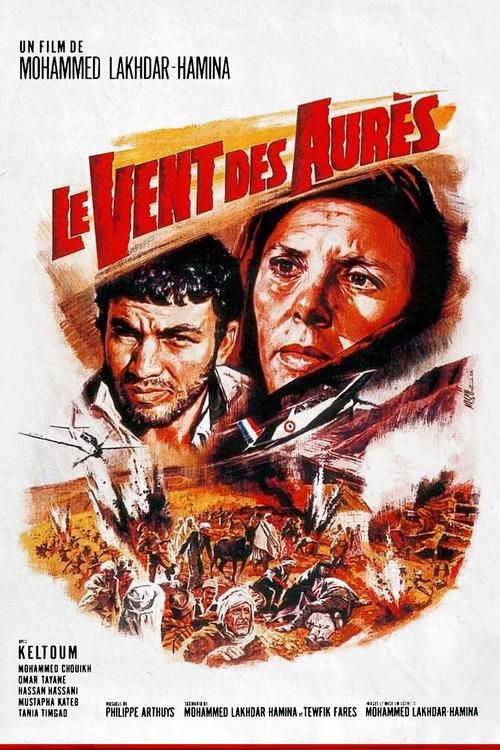
The Winds of the Aures
Thu, 08 Jun 1967
The transformations of the daily life of the Algerian people during the destructive French occupation, then during the war of liberation. While military repression is in full swing, a peasant woman finds herself alone in her mountain home when her only son is kidnapped by French soldiers shortly after her husband's death during a raid. One day, seeing a dead chicken, which she considers a bad omen, she decides to leave home and embarks on a painful journey through the mountains. Accompanied by a couple of chickens, she moves from one detention camp to another in a desperate search for her missing son. The film is inspired by the events experienced by the director's family.
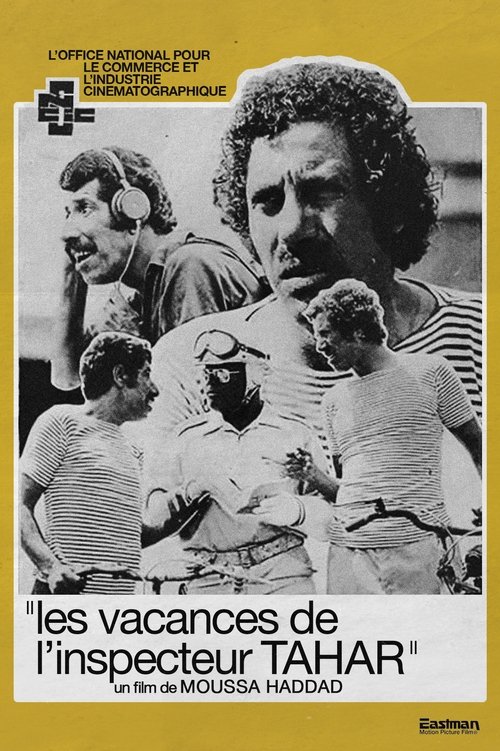
Inspector Tahar's Holiday
Sat, 01 Jan 1972
Inspector Tahar and his apprentice are invited by Mama Traki, a popular Tunisian heroine, to spend their vacation in Tunis. Before leaving Algiers, they stop at a tourist complex where a murder has just been committed. The investigation full of surprises and twists and turns will take them to Tunis where they will find Ommi Traki and his family...
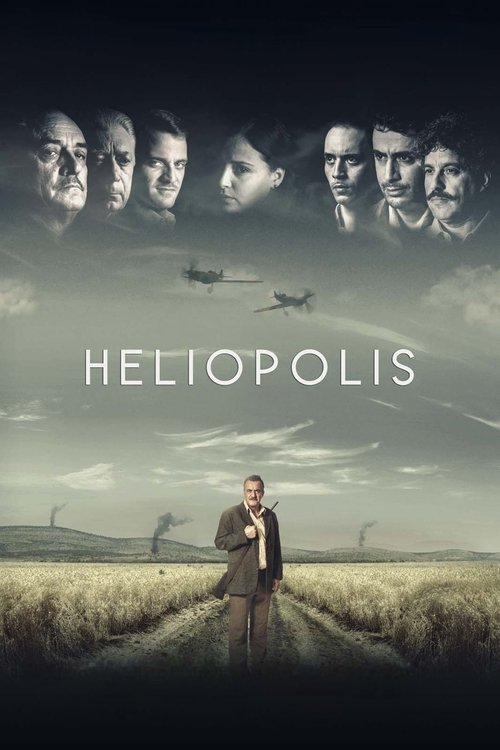
Heliopolis
Thu, 20 May 2021
In the city of Guelma, which was once called Heliopolis in ancient times, the daily life of an Algerian family takes its usual course. But on May 8, 1945, the day the end of World War II was announced, demonstrations by the Algerian people against the French colonial power and for the country's independence took place, which were bloodily suppressed by the French army and French settler militias. The event went down in history as the Sétif and Guelma massacre.
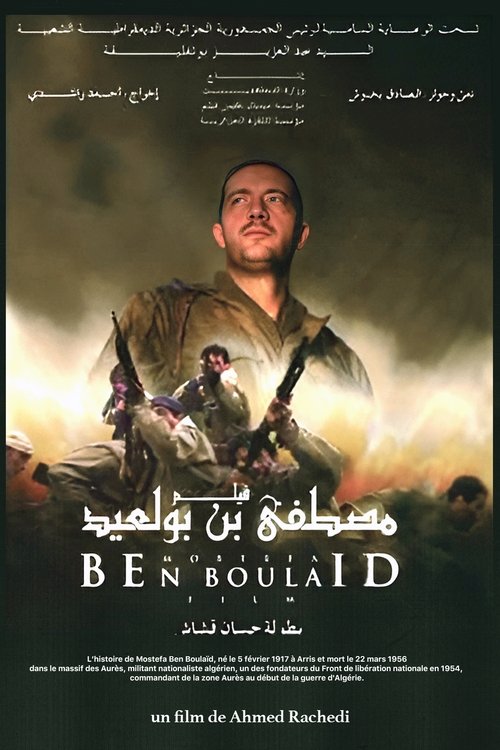
Mostefa Ben Boulaïd
Mon, 01 Dec 2008
The film revolves around the life of the martyr Mustapha Ben Bouleid (1917-1956), who was a member of the Algerian National Movement, who worked with his comrades to explain the idea of the armed revolution in which he led in Aures region in 1954. The film depicts how Ben Bouleid traveled to a number of Arab countries Disguised to bring arms to Algeria for the revolution and how the French colonial forces arrested him in the Tunisian-Libyan border, and from there to Algeria to be sentenced to death.