

urban landscape
9 movies and shows
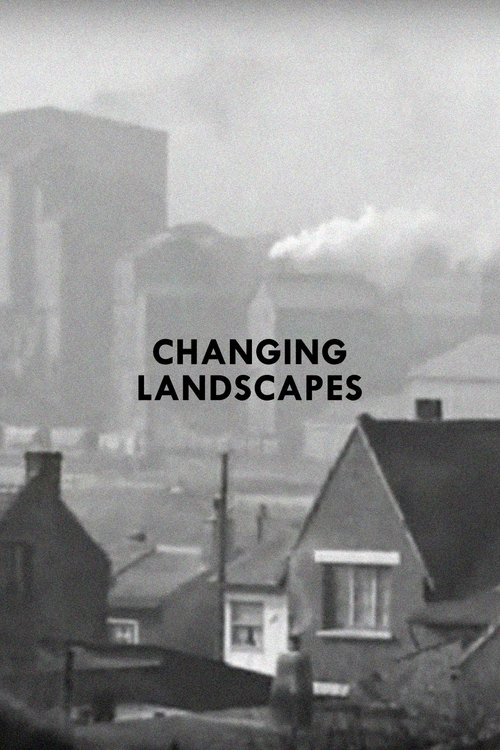
Changing Landscapes
Wed, 01 Jan 1964
A sophisticated and beautifully constructed account of landscape change in and around Paris in the early 1960s. The film raises complex issues about the meaning and experience of modern landscapes and the enigmatic characteristics of features such as canals, pylons and deserted factories. Rohmer also explores the role of landscape within different traditions of modern art and design and refers to specific architects, artists and engineers.
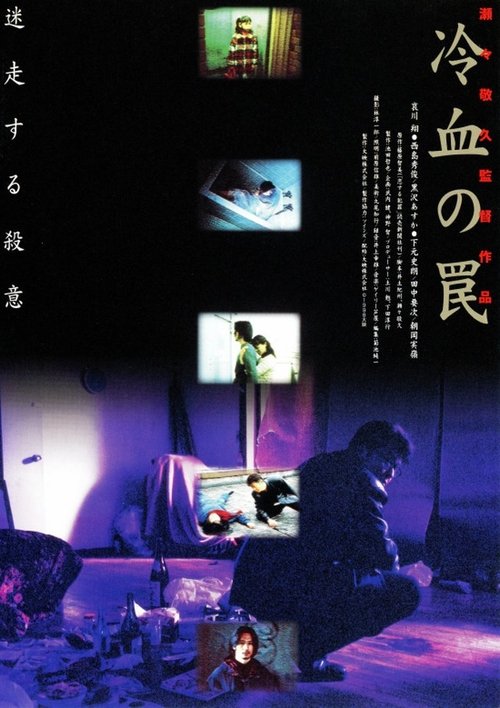
The Cold-Blooded Trap
Sat, 11 Jul 1998
Psycho-mystery in which two men confront each other over the murder of a woman in Shibuya.
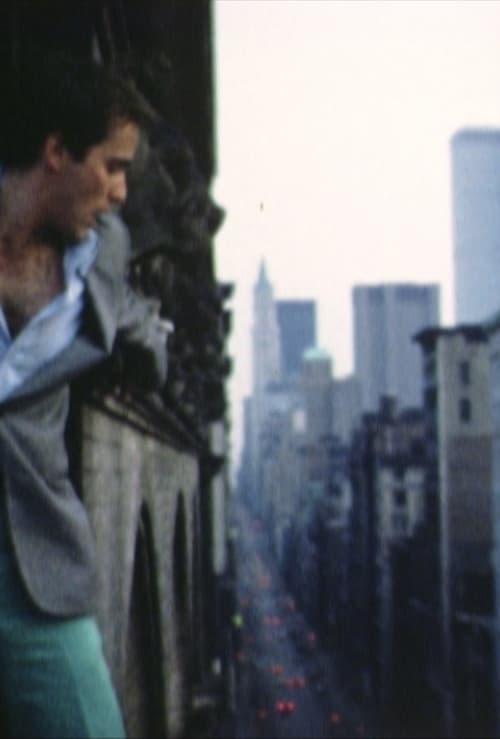
OK Today Tomorrow
Sat, 01 Jan 1983
Arriving in the US with a background in abstract art, opera, and film—including work with German director Werner Schroeter—Vogl began making Super8 films in New York that stripped away the stylistic markers of Hollywood, New Wave cinema of the 1960s and ’70s, and classic avant-garde film, leaving only traces of their generic conventions. For the first hour of OK Today Tomorrow, he stages a series of fraught encounters around the city between four gentrified New Yorkers before abandoning his vague narrative of youthful angst altogether in favor of documenting the urban landscape itself. The dusk-to-dawn “city symphony” that ends the film resembles similar Super8 social studies by Vogl’s uptown contemporary John Ahearn; both recorded the daily lives of working-class black and immigrant communities on the streets of a city on the verge of the corporate takeover and sweeping gentrification that followed in the 1980s and ’90s. Preserved by The Museum of Modern Art, New York.

Story of a Junkie
Mon, 25 Nov 1985
Filmed in documentary-style, the film follows the character of Gringo, a young man looking for fortune in New York, only to fall into heroin addiction.

Variations on How to Farm a City
Thu, 28 Nov 2024
Sprout. In the vacant lots against the hammering of buildings always under construction, between walls of granite, cement and sheet metal with rust, moss and cats; on the hillside between the train and the river, next to the traffic on the highway, facing the subway, vegetable gardens sprout. In this city, the choreography of ancient gestures of cultivating the land is repeated day after day, without fail. Sowing, digging, harvesting, watering, eating, talking, resting and returning the next day. The longest day of the year brings S. João and nobody goes to bed, but when the sun rises, the discreet gestures of resistance will restart.

Losing Touch
Invalid Date
Searching for life in daily rituals, Losing Touch undertakes a shift in perception and presents the city as an ugly yet ecologically rich landscape. The film depicts the internal dialogue on coping with the grief and fear of ecological degradation, using the local streets of Berlin as a means to materialise and confront these emotions. As both the body and mind begin to wander, encounters with the landscape over a 24 hour period are transformed into an overstimulating and emotionally charged journey. Camcorder footage, film developed in beer and cyanotype create sensational and playful depictions of the surroundings, joining the rats scurrying on the ground and fleeing the night lights with the moths. Creatures of metal and flesh interact within and between the frames, coming together as an ugly yet vibrant community. Subverting the nature-culture dichotomy, a new image of nature is formed, not only as a romantic, distant place, but rather a dirty, omnipresent force.

Someplace Else
Wed, 05 Jun 2024
An abstract piece exploring the urban landscape, where a juxtaposition arises between natural landscapes and their human-engineered counterpart.
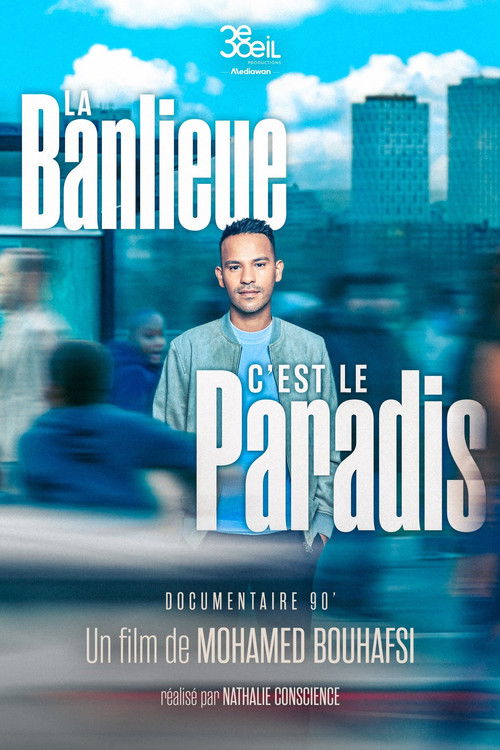
La banlieue, c’est le paradis
Thu, 13 Feb 2025
In the 1960s, the suburbs were meant to be modern havens for newcomers from rural France, Portugal, Spain, North Africa, and Africa, helping rebuild post-war France. Large housing complexes symbolized this ideal, offering comfort, heating, and electricity. But by the 1980s, disillusionment set in as economic crisis, unemployment, poverty, crime, racism, and police violence took hold. Mohamed Bouhafsi tells the story of a dream that didn’t last.
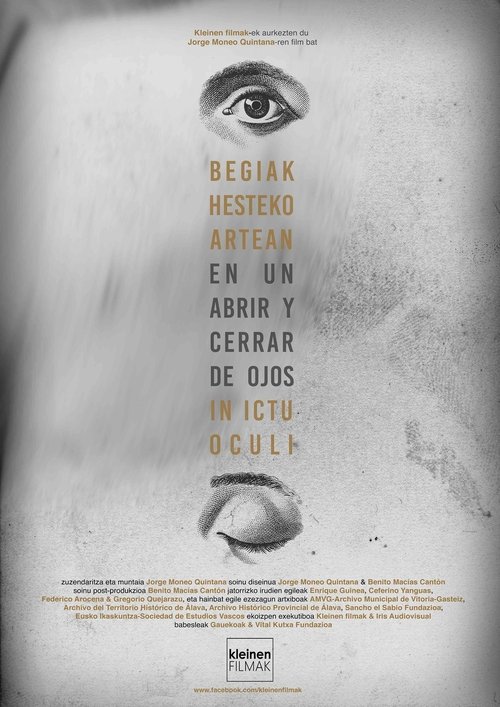
In Ictu Oculi
Thu, 29 Oct 2020
The six-decade transformation of a block of houses, shown by means of artfully featured archival shots, highlights the beauty and sadness of human-made decay. In the blink of an eye 66 years pass by and a savings bank replaces a church.