

maghreb immigration
7 movies and shows
A French Youth
Fri, 15 Nov 2024
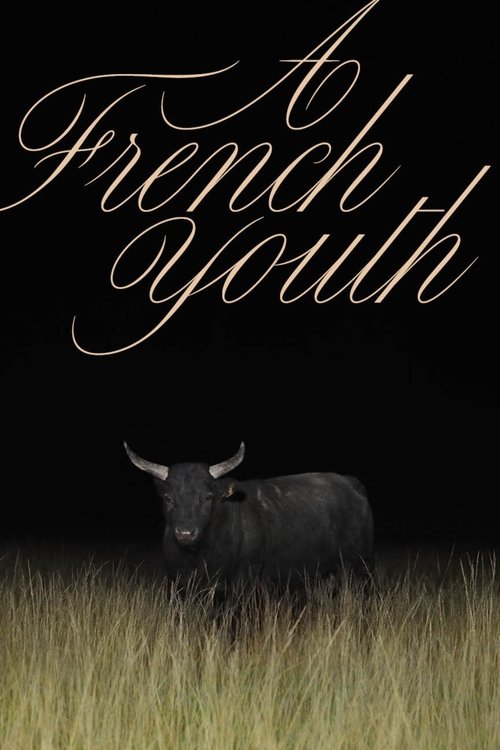
In the heart of the Camargue region, in the south of France, Jawad and Belka find freedom in their love of Camargue races. For these young Maghrebi men, the event is more than a simple tradition. Facing off with a bull is an opportunity to establish their place in the arena—and in French society. But at what cost?

The Ambassadors
Thu, 02 Jan 1975
“Each of you is an ambassador, and we are sure that each of you will be the best ambassador of our country.” This is how the film begins; a speech to emigrant workers for France. Salah left his three sisters and his mother to become an ambassador, going to work on a Defense site, wading in the mud, he works with a jackhammer. Salah wanders in search of work and housing. Coming up against racism from the owners claiming the respectability of the building and the good neighborhood, he finds himself in a hotel in the Goutte d'Or district. The body of Mehdi, friend of Salah, was found in the Canal Saint-Martin, murdered by a fascist commando, and Ali died of a bullet, killed by a racist janitor. Faced with crimes that remain unpunished, Salah and his friends organize, unite with the French working class to defend their lives and their right to work.
Le Bougnoul
Wed, 23 Apr 1975
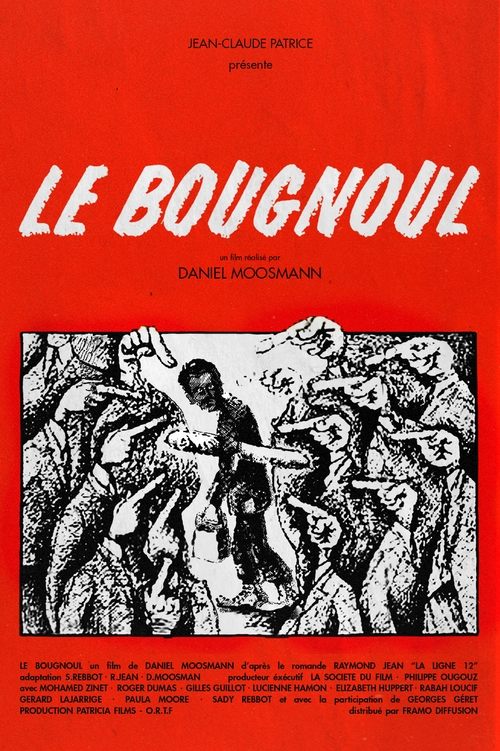
A construction worker on a construction site in the Paris suburbs, Mehdi takes the bus to return home after work. Wishing to get off while the vehicle is stationary in a traffic jam, the driver refuses: while restarting, the bus hits the car in front of it. The bus driver attacks Mehdi whom he holds responsible for the incident, claiming that it is forbidden to “talk to the stagehand”. Mehdi is implicated in court and his lawyer tries to draw attention to the living conditions of immigrant workers.
We Are Not Our Parents
Sun, 18 Aug 2024
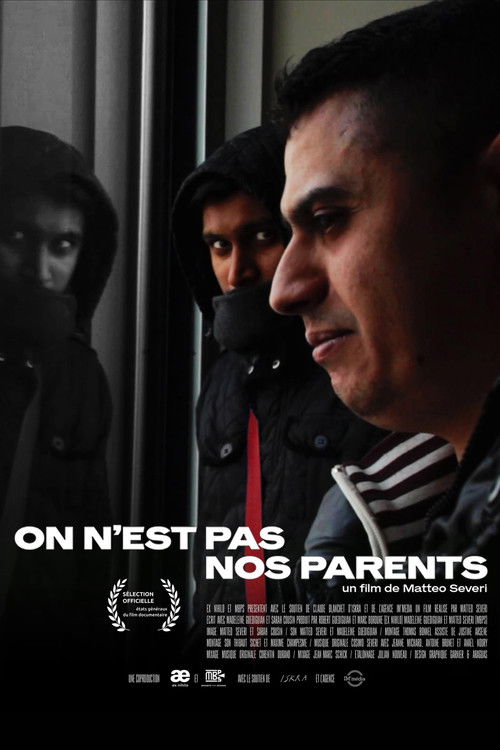
Reserved by Citroën for immigrant workers, the Aulnay-sous-Bois factory experienced its first strike in 1982. Thirty years later, it's the turn of a new generation to join the fight. Worthy heirs of their parents, the workers revive a forgotten memory and offer a unique perspective on the history of contemporary France. Matteo Severi's film mirrors these two social struggles, led by workers from immigrant backgrounds.
A Finger in the Works
Wed, 02 Jan 1974
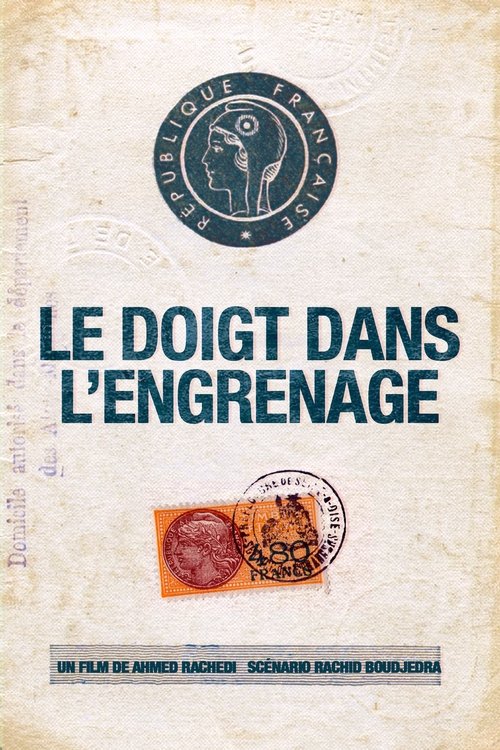
The film mixes fiction, filmed documents and interviews which recounts the arrival in Paris of an Algerian immigrant lost in the metro. On December 27, 1968, France and Algeria signed an agreement which admitted each year 35,000 Algerian workers to French territory in the France of the Trente Glorieuses where the annual growth rate reached 5% and where factories lacked workers. Candidates obtain a residence permit valid for 5 years for themselves and their families. Paris is committed to improving professional training and housing conditions for immigrants, too often confined to the most thankless jobs and often housed in slums. A testimony on the living conditions of emigrant workers "economic cannon fodder" of neocolonialism which simultaneously develops its alter ego, institutionalized racism, as a tool of social stagnation and division of the proletarian class.

Rock Against Police
Wed, 22 Jan 2020
February 1980, young Abdelkader Lareiche was shot in the head by a building guard in a housing estate in Vitry. In a context marked by several racist crimes and a policy of security repression, his friends are mobilizing around the “Rock Against Police” movement. Forty years after the events, Philomène sets out to meet the activists and actors of this movement. “Memory is not commemoration, it is the living part of History” confides Mounsi about the massacre of October 17, 1961. This is the heart of Nabil Djedouani’s project, to restore a moment in a living way. of the militant history of the suburbs, registered here in the Rock Against Police movement, but which cannot be restricted to it. A thread stretched from the 1980s to today, which continues to “analyze the collective and murderous unconscious of the French State” and the ways of resisting and revolting.
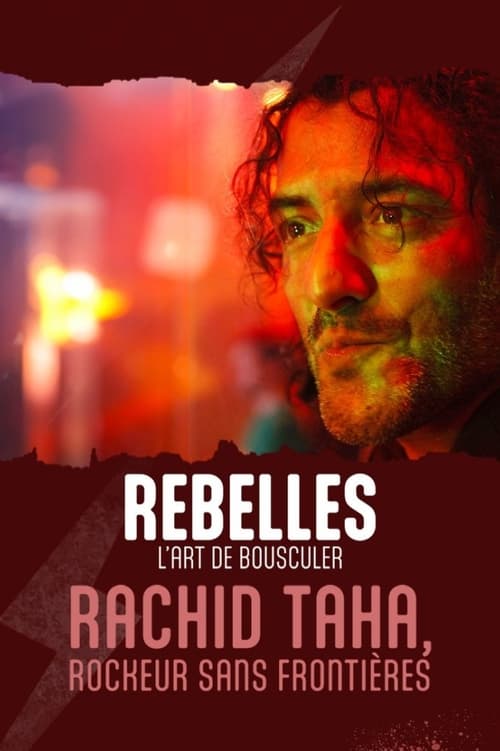
Rachid Taha, rockeur sans frontières
Fri, 15 Sep 2023